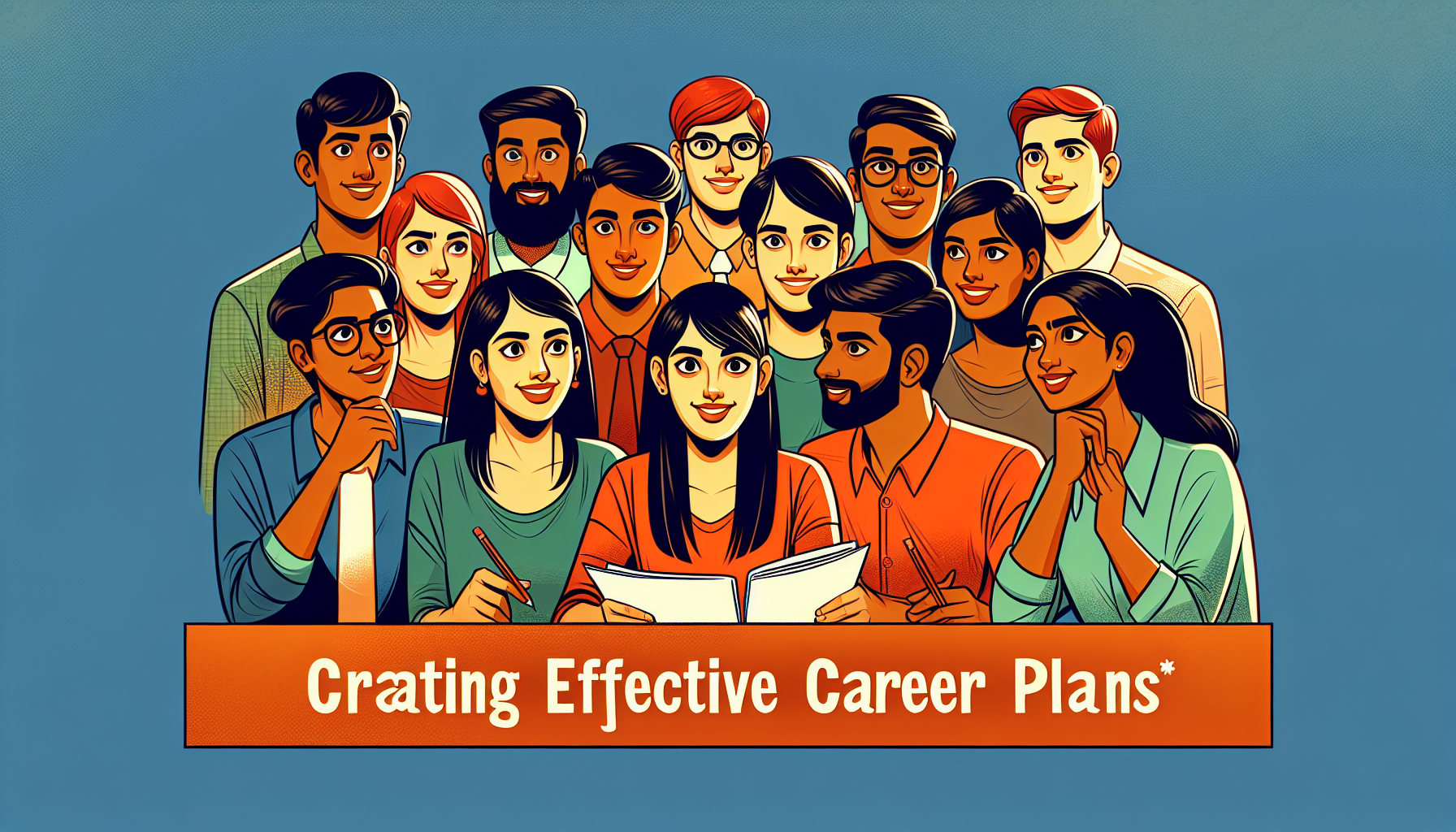
Have you ever felt lost when thinking about your future career? You’re not alone! Many people struggle with finding the right path. In fact, a study shows that nearly 70% of students feel uncertain about their career choices. That’s why having a career plans is essential! A well-structured career plan can help you navigate your professional journey and make better decisions along the way.
2. Understanding Career Planning
What is Career Planning?
Career planning is the process of setting career goals and outlining the steps you need to take to achieve them. It’s like having a map for your journey, ensuring you stay on the right track.
Benefits of Career Planning
When you have a solid career plan, you gain clarity about your goals. It allows you to make informed decisions, increases your confidence, and helps you identify the skills you need to develop. Imagine having a roadmap that leads you to your dream job!
3. Key Components of an Effective Career Plan
Self-Assessment
Before making any decisions, it’s crucial to understand yourself. What are your strengths and weaknesses? What interests you? You can use tools like personality tests or skills inventories to help with this. For example, if you find that you enjoy working with numbers, careers in finance or engineering might suit you.
Setting Clear Goals
Once you have a better understanding of yourself, it’s time to set goals. Use the SMART method:
- Specific: What exactly do you want to achieve?
- Measurable: How will you track your progress?
- Achievable: Is your goal realistic?
- Relevant: Does it align with your interests and values?
- Time-bound: When do you want to achieve this goal?
For example, instead of saying, “I want to become a doctor,” a SMART goal would be, “I will complete my medical entrance exam by next year.”
Researching Career Options
Once you have your goals, it’s essential to explore various career paths. This means researching different industries and job roles. You can use online resources like LinkedIn, attend career fairs, or even conduct informational interviews with professionals in your desired field.
Creating an Action Plan
Now that you have your goals and research, it’s time to create an action plan. This plan should outline the steps you need to take to achieve your goals, including any necessary education or skills development. For instance, if you want to become a software engineer, your action plan might include taking coding classes and completing an internship.
4. Tips for Implementing Your Career Plan
Time Management
Managing your time effectively is vital for achieving your goals. Break your tasks into smaller, manageable parts, and set deadlines. For example, if you want to study for an exam, create a weekly schedule that allocates time for each subject.
Networking
Building relationships with people in your desired industry can open doors for opportunities. Attend networking events, join online forums, or connect with professionals on social media. Networking can lead to internships, job offers, and valuable advice.
Continuous Learning
The world is always changing, and so should you! Emphasize lifelong learning by attending workshops, enrolling in online courses, or reading books related to your field. This continuous development keeps you updated and competitive.
5. Evaluating and Revising Your Career Plan
Regular Check-ins
It’s essential to check in on your progress regularly. Are you on track to meet your goals? Reflect on what’s working and what isn’t. This reflection allows you to adjust your plan as needed.
Adapting to Changes
Sometimes, your interests may change, or you might discover new opportunities. Don’t be afraid to pivot your career plan! For instance, if you initially wanted to work in finance but found a passion for environmental science, it’s okay to change your path.
6. The Role of Career Counselors in Career Planning
Working with a career counselor can provide you with personalized guidance and resources tailored to your needs. They can help you with self-assessments, goal setting, and finding the right educational programs.
Dheya’s Career Mentoring Program
At Dheya, we offer a comprehensive career mentoring program designed to help you create effective career plans. Our experienced mentors provide personalized guidance, ensuring you develop the skills necessary for your chosen path. Whether you’re interested in engineering, healthcare, or entrepreneurship, Dheya can help you navigate your journey.
7. Conclusion
Creating effective career plans is a vital step in your professional journey. By focusing on self-assessment, setting clear goals, researching options, and implementing strategies, you can pave the way for a successful career.
So, are you ready to take the first step? Start creating your career plan today! And if you’re looking for expert guidance, consider reaching out to Dheya for personalized mentoring support.