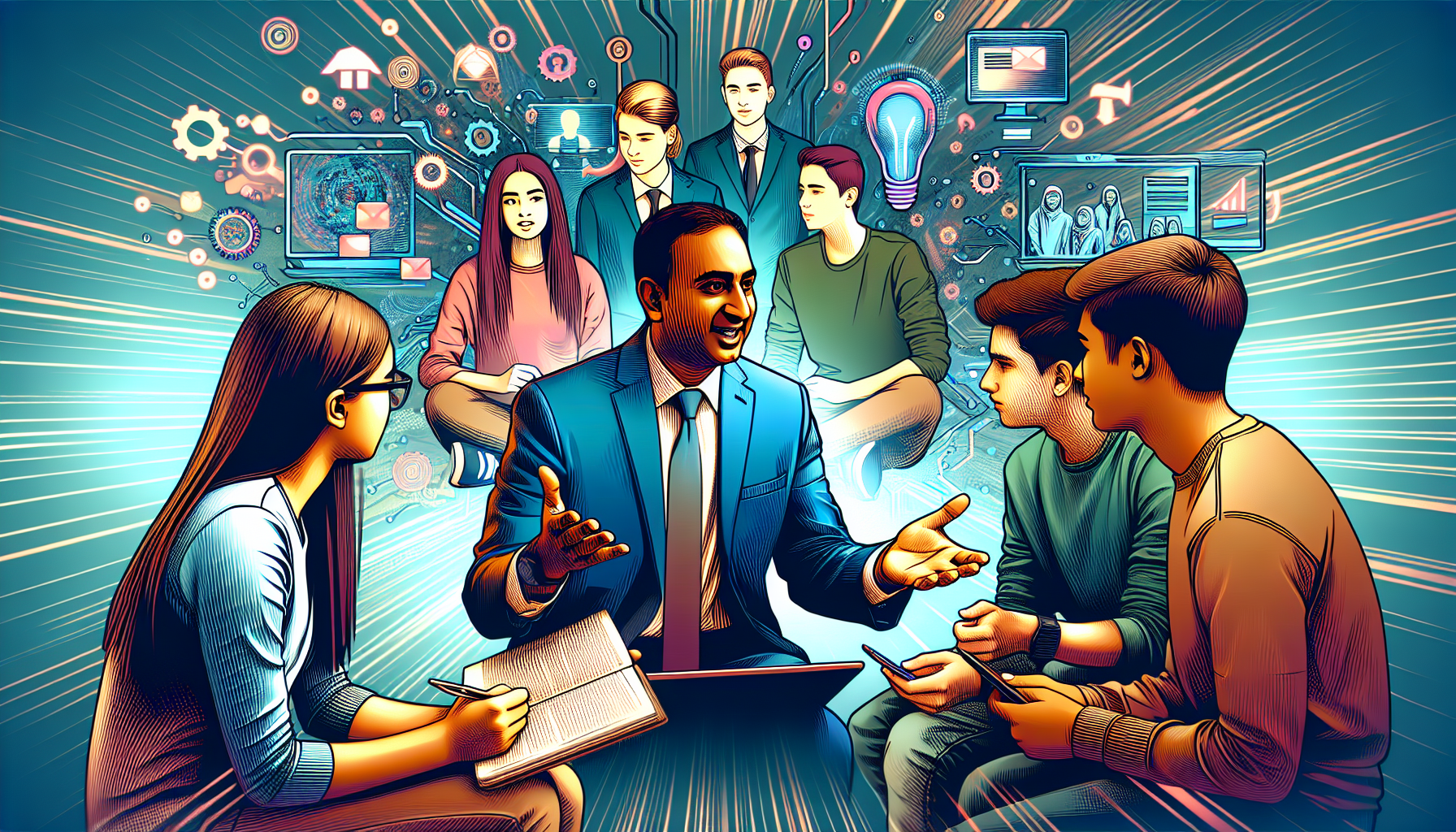
Have you ever wondered what the future of career counseling looks like? With the job market constantly changing, it’s essential for career counselors to stay updated on new trends. In India, as more people seek career guidance, understanding these trends can help counselors provide the best support. Let’s dive into some exciting developments in career counseling that are shaping the future!
Increased Use of Technology
Technology is transforming almost every aspect of our lives, and career counseling is no exception. Imagine sitting at home, chatting with a career counselor over video call or using an app to take a career assessment test. Tools like AI (artificial intelligence) are becoming essential for personalized career guidance.
For instance, platforms like LinkedIn use algorithms to suggest jobs based on your skills and interests. Similarly, career counseling services are beginning to adopt these technologies to help clients find their best career paths quickly and effectively.
Shift Towards Holistic Approaches
Today, many career counselors are moving towards a holistic approach. This means they consider not just your skills but also your mental, emotional, and social well-being. For example, if a student feels stressed or anxious about their future, a counselor might help them build coping strategies alongside discussing career options.
Holistic programs focus on personal development, helping individuals not just choose a career but also thrive in it. Schools and counseling centers are increasingly recognizing the importance of addressing mental health alongside career guidance.
Growing Demand for Specialized Counseling
As the job market becomes more complex, there’s a rising demand for specialized career counseling. Students now have diverse career options—like data science, digital marketing, and sustainable development—and they often need tailored advice.
For example, a student interested in becoming a data analyst might benefit from a counselor who specializes in tech careers. These specialists can provide insights into required skills, trending industries, and how to build a successful career in that field.
Emphasis on Soft Skills and Emotional Intelligence
In today’s job market, soft skills—like communication, teamwork, and emotional intelligence—are just as important as technical skills. Career counselors play a vital role in helping clients develop these skills.
For instance, if you are applying for a job, a counselor might coach you on how to express your thoughts clearly during an interview or how to work effectively in a team. Programs that focus on enhancing emotional intelligence help individuals understand and manage their emotions, leading to better workplace relationships.
Integration of Continuous Learning and Upskilling
The future of work is all about learning. Many industries are evolving, and job roles are changing rapidly. As a result, career counselors are encouraging clients to embrace continuous learning and upskilling.
Online platforms like Coursera and Udemy offer courses on various subjects, from coding to digital marketing. Counselors can help clients identify skills they need to learn for their desired career paths and suggest suitable online courses to boost their resumes.
Diversity, Equity, and Inclusion (DEI) in Career Counseling
Diversity, equity, and inclusion are crucial topics in today’s workforce. Career counselors are now focusing on these principles to ensure that everyone, regardless of their background, has access to career guidance.
For example, initiatives promoting DEI may involve reaching out to underrepresented groups and ensuring they receive the same quality of counseling services. This commitment helps create a more inclusive job market where everyone has equal opportunities to succeed.
Increased Collaboration with Educational Institutions
Schools and colleges are recognizing the value of career counseling, leading to increased collaboration between educational institutions and career counselors. These partnerships aim to prepare students better for the job market.
For instance, universities may invite career counselors to conduct workshops, helping students with resume writing, interview skills, and job search strategies. Such collaborations ensure students are equipped with the knowledge and skills needed to transition smoothly from education to the workforce.
Conclusion
The future of career counseling is bright and full of opportunities! By embracing technology, holistic approaches, and focusing on continuous learning, career counselors can make a significant impact on individuals’ career journeys.
As these trends evolve, it’s essential for career counselors to stay informed and adaptable. If you’re considering a career in counseling, check out programs like Dheya’s Mentor Certification, which focus on equipping counselors with the skills needed to thrive in this changing landscape.
Staying updated on these trends will not only enhance your skills but also enable you to provide the best support for those seeking guidance in their careers.