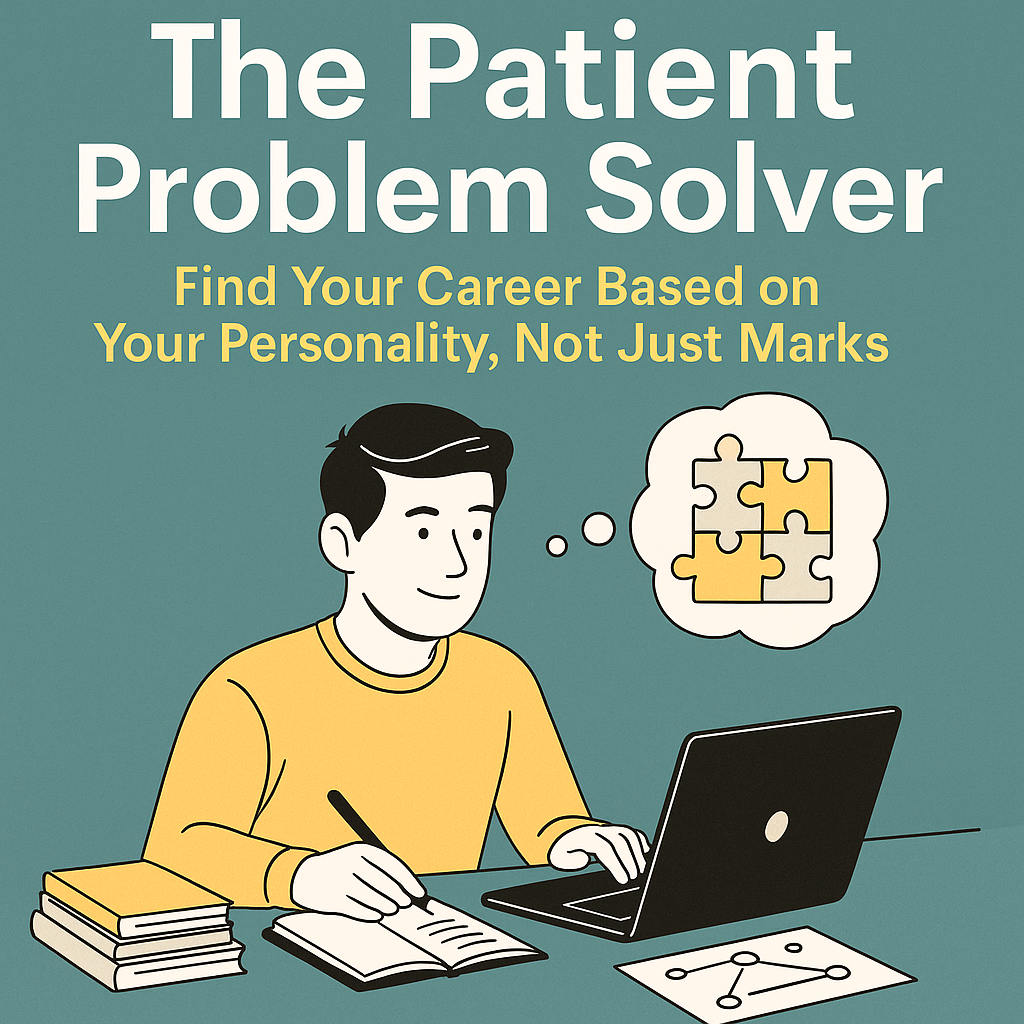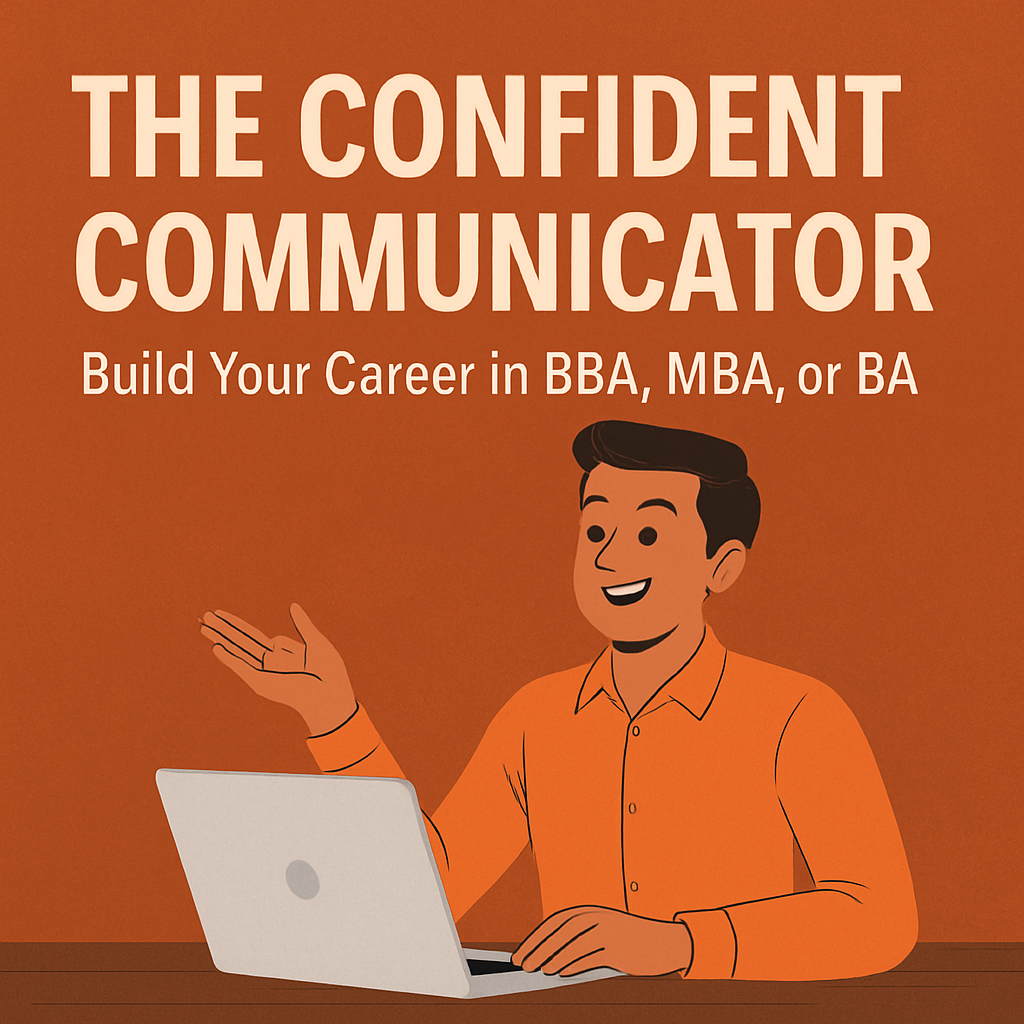
In the world of career counseling, assessment tools have become indispensable for guiding individuals toward their ideal career paths. Approximately 80% of career counselors utilize some form of assessment to understand their clients better. These tools provide valuable insights into clients’ strengths, interests, and values, making them crucial for effective counseling. This blog will explore the various assessment tools available, with a particular focus on Dheya’s unique career assessment, which is based on the Big Five theory and positive psychology.
What Are Assessment Tools?
Assessment tools are instruments used by career counselors to evaluate various aspects of a client’s personality, skills, interests, and values. They provide objective data that counselors can use to tailor their guidance. The main goal of these assessments is to create a clearer picture of a client’s unique profile, allowing for personalized career advice that aligns with their individual aspirations.
Types of Assessment Tools
Psychometric Tests
Psychometric tests are standardized assessments designed to measure psychological traits such as personality, intelligence, and aptitude. Common examples include:
- Personality Tests: Tools like the Myers-Briggs Type Indicator (MBTI) or the Big Five Personality Test help individuals understand their traits and how they influence career choices.
- Aptitude Tests: Assessments that gauge a person’s ability to perform specific tasks, providing insight into potential success in various careers. The General Aptitude Test Battery (GATB) is one such example.
Career Assessments
Career assessments specifically match individuals with suitable career paths based on their interests and personality traits. Notable tools include:
- Holland Code (RIASEC): This assessment categorizes careers into six broad types and helps clients identify their primary interest areas.
- Dheya’s Career Assessment: Unlike many of our competitors, who rely on generic assessments, Dheya offers a unique career assessment based on the Big Five theory and principles of positive psychology. This assessment has been tailored for the Indian context, providing insights that resonate with local cultural nuances and individual aspirations. It effectively evaluates personality traits, helping clients identify their strengths and potential career paths.
Skills Assessments
Skills assessments evaluate specific competencies, helping clients recognize their strengths and areas for improvement. These can include:
- Technical Skills Assessments: Tests that measure proficiency in specific technical areas, such as coding or graphic design.
- Soft Skills Assessments: Tools that evaluate interpersonal skills essential for many career paths.
Interest Inventories
Interest inventories help clients discover their preferences and passions. They often include questions that clients respond to, revealing their interests. Popular examples are the Self-Directed Search (SDS) and the Career Assessment Inventory (CAI).
Values Assessments
Values assessments assist clients in identifying their core values and understanding how these values influence their career choices. Tools like the Work Values Inventory (WVI) guide clients in recognizing what matters most to them in their work life, whether it be work-life balance, job security, or opportunities for advancement.
Benefits of Using Assessment Tools
- Objective Data: Assessment tools provide quantifiable data that aids in decision-making, ensuring career recommendations are based on evidence rather than subjective opinions.
- Personalized Guidance: Counselors can offer tailored career recommendations that align with clients’ unique profiles by utilizing assessment results.
- Enhanced Self-Awareness: Assessments help clients gain valuable insights into their strengths and weaknesses, empowering them to make informed career decisions.
Dheya’s Unique Career Assessment
At Dheya, we take pride in our proprietary career assessment, which stands out from the competition. While many career counseling services rely on generic assessments developed externally, Dheya’s assessment is uniquely designed to reflect the Big Five personality traits and incorporate positive psychology principles. This approach allows us to:
- Tailor Assessments for Indian Users: Our assessment is modified to suit the cultural and social nuances of the Indian population, ensuring relevance and accuracy.
- Focus on Positive Psychology: By integrating positive psychology, we encourage clients to recognize their strengths and potential rather than solely focusing on weaknesses, fostering a more empowering counseling experience.
Selecting the Right Assessment Tool
When choosing an assessment tool, counselors should consider several factors:
- Client’s Background and Needs: Understand the client’s history, education, and career goals to select an appropriate assessment.
- Specific Goal of the Assessment: Determine the primary purpose of the assessment—whether to identify strengths, assess skills, or explore career interests.
- Reliability and Validity of the Tool: Ensure the assessment is reliable (consistent in results) and valid (measures what it claims to measure).
Interpreting Assessment Results
Once assessment tools have been administered, counselors must accurately interpret the results:
- Understanding Scores: Familiarize yourself with the scoring systems of the assessments used and what the scores indicate regarding the client’s profile.
- Integrating Findings: Use assessment results to inform counseling sessions, helping clients connect their personal attributes with potential career paths.
- Communicating Results: Present findings clearly and supportively, guiding clients through the implications of their results and discussing next steps.
Limitations of Assessment Tools
While assessment tools offer numerous benefits, it’s essential to recognize their limitations:
- Potential Limitations and Biases: Some assessments may be biased or may not fully represent a client’s abilities or interests. Counselors should interpret results with caution.
- Holistic Approach: Assessments should not be the sole basis for career decisions. Counselors must integrate assessment results with other information and personal insights for a comprehensive approach.
Conclusion
Understanding different assessment tools for career counseling is crucial for any aspiring or established career counselor. These tools offer invaluable insights that can enhance the counseling process and lead to better career outcomes for clients. Dheya’s proprietary career assessment, grounded in the Big Five theory and positive psychology, is designed specifically for Indian users and provides personalized insights that can significantly improve the counseling experience.
If you’re interested in deepening your understanding of career counseling and enhancing your skills, consider exploring Dheya’s Mentor Certification Program. Our program equips aspiring counselors with the knowledge and tools needed to make a meaningful impact in the lives of those they guide. Join us and become part of a community that goes beyond traditional counseling!
Additional Resources
For further reading and resources on career assessment tools, consider the following:
- Explore platforms like Mindler, iDreamCareer, and CareerGuide for various assessment options.
- Professional Organizations: Join associations like the National Career Development Association (NCDA) for access to additional resources and training.
- Recommended Readings: Books like “What Color Is Your Parachute?” by Richard N. Bolles provide valuable insights into career planning and assessment.