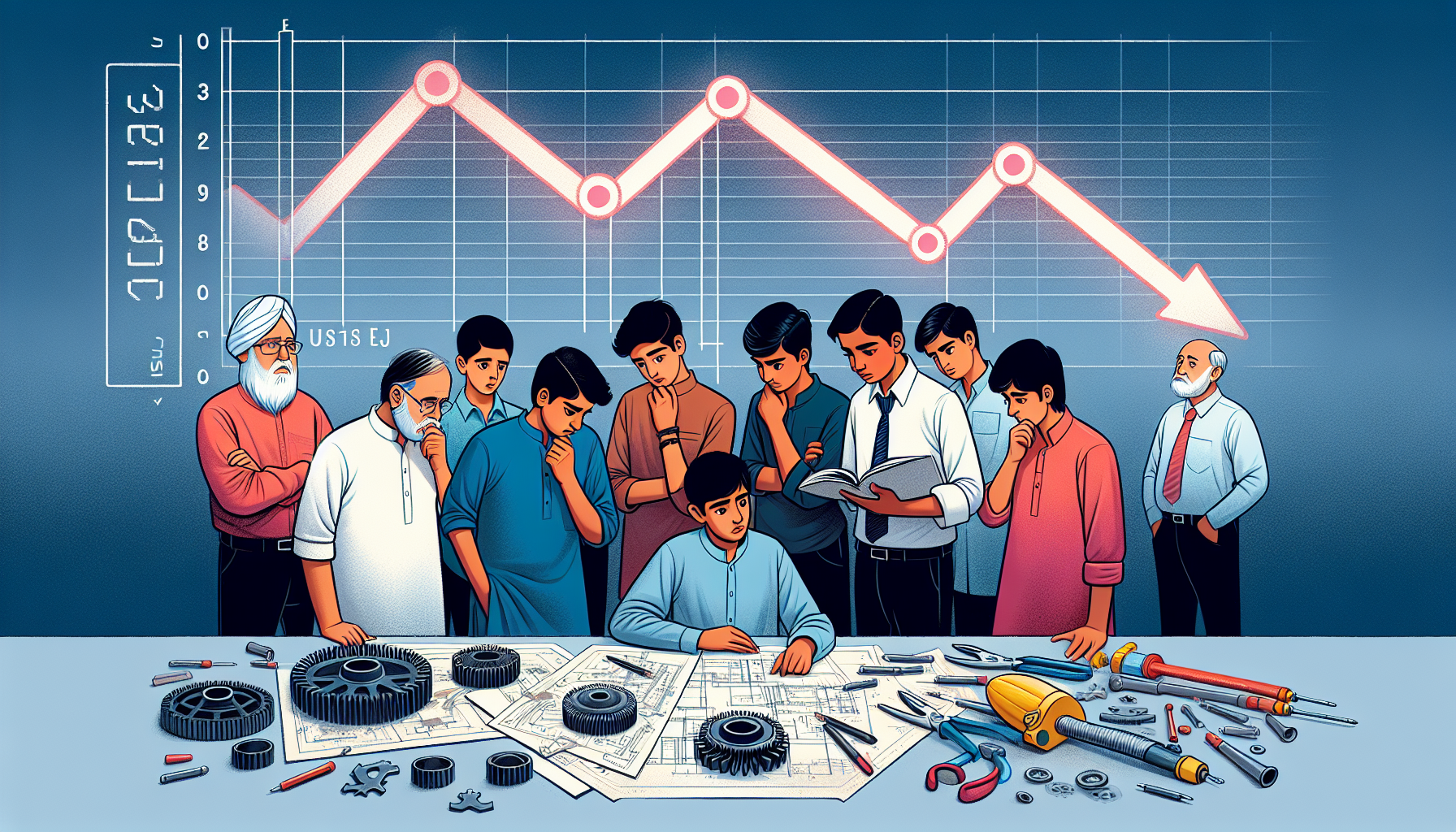
In this blog, we explore the declining number of engineering students in India and the challenges they face in finding suitable job opportunities. We delve into the factors contributing to this trend and discuss strategies to bridge the skills gap between education and industry demands.
Table of Contents
- 🚀 The Engineering Craze and the Changing Landscape
- 📉 Declining Enrollment and the Reasons Behind It
- Experts Weigh In: Analyzing the Current Scenario
- 📊 The Shifting Demand and Supply Dynamics
- 🎓 The Need for Adaptable and Relevant Education
- 🔗 Bridging the Skills Gap: Strategies for Improvement
- 🌍 The Evolving Mindset: Embracing Diverse Opportunities
- Frequently Asked Questions
🚀 The Engineering Craze and the Changing Landscape
Engineering has traditionally been a highly sought-after career choice in India, with aspirations of securing a seat in a reputed engineering college being a common goal for many students.
The Decline in Enrollment
In recent years, there has been a noticeable decline in the number of students pursuing engineering education, raising questions about the changing dynamics of the field.
Market Trends and Career Shifts
The engineering landscape is evolving, with a surge in alternative career options and the emergence of new technological domains influencing students’ career decisions.
📉 Declining Enrollment and the Reasons Behind It
The decline in the number of students opting for engineering education has raised concerns about the future of the field. There are several factors contributing to this trend, impacting both students and institutions.
Evolving Career Preferences
Changing market trends and career prospects have influenced students to explore alternative fields, resulting in a shift away from traditional engineering disciplines.
Job Market Realities
The perception of engineering jobs as high-paying and secure has been challenged, with reports of lower salary offers and increased competition in the job market, prompting students to reconsider their career choices.
Educational Policy Impact
Changes in educational policies, entrance exams, and admission criteria for engineering colleges have also played a role in shaping student enrollment patterns, leading to a decline in interest in pursuing engineering education.
Experts Weigh In: Analyzing the Current Scenario
Amidst the recent discussions on the decline in engineering enrollment and job market fluctuations, industry experts provide valuable insights into the evolving dynamics of the field and the factors influencing the current landscape.
Impact of Shifting Demand
The changing demand for IT services and the fluctuating nature of job requirements have led to a shift in the dynamics of the engineering job market, influencing the career choices of aspiring professionals.
Market Response to External Factors
The response of the job market to external factors, such as the global economic situation and the transition to remote work during the pandemic, has contributed to a reevaluation of job preferences and salary expectations among engineering graduates.
Normalization of Work Environments
The gradual return to traditional office settings has brought about a normalization of work environments, prompting individuals to reassess their career trajectories and expectations, impacting the demand for engineering roles.
📊 The Shifting Demand and Supply Dynamics
As the landscape of engineering education and job opportunities undergoes significant changes, it is essential to analyze the shifting demand and supply dynamics that are influencing the career paths of aspiring professionals.
Market Saturation and Career Options
The increasing number of engineering graduates has led to a saturated job market, impacting the availability and competitiveness of job opportunities in the field.
Industry-Specific Salary Variances
Different engineering disciplines experience varying demand and salary prospects, with IT companies facing different hiring trends and salary structures compared to industries such as mechanical engineering.
Impact of Economic Conditions
The macroeconomic scenario and industry-specific trends play a crucial role in determining the availability and nature of engineering job opportunities, influencing students’ career decisions.
🎓 The Need for Adaptable and Relevant Education
In the rapidly evolving landscape of engineering and technology, the demand for adaptable and relevant education has become increasingly crucial to bridge the skills gap and meet the dynamic needs of the industry.
Aligning Education with Market Dynamics
Adaptable education systems should align with the changing market dynamics, ensuring that students are equipped with the skills and knowledge required to meet the evolving demands of the industry.
Enhancing Industry-Integration Initiatives
Integrating industry-specific initiatives and practical training into the education curriculum can better prepare students for the real-world challenges and requirements of the professional landscape.
On-The-Job Training and Skill Development
Providing on-the-job training opportunities and emphasizing continuous skill development can enhance the employability of engineering graduates, equipping them with the practical expertise sought after by employers.
🔗 Bridging the Skills Gap: Strategies for Improvement
In the face of declining engineering enrollment and evolving job market dynamics, it is essential to implement effective strategies to bridge the skills gap and equip aspiring professionals with the necessary competencies to thrive in the industry.
Enhancing Curriculum Relevance
Adapting the engineering curriculum to align with the current market demands and technological advancements is vital in ensuring that graduates possess the relevant skills and knowledge sought after by employers.
Industry-Academia Collaboration
Fostering collaborative partnerships between educational institutions and industry stakeholders can facilitate the development of programs that integrate real-world industry practices, providing students with practical exposure and enhancing their employability.
Emphasizing Practical Skill Development
Implementing hands-on training initiatives and practical skill development programs within the academic curriculum can empower students with the practical expertise and problem-solving abilities essential for success in the professional landscape.
🌍 The Evolving Mindset: Embracing Diverse Opportunities
In today’s dynamic landscape, the Indian mindset towards education and career choices has undergone a significant transformation, embracing diverse opportunities beyond traditional professions.
Redefining Career Aspirations
The shift in mindset has led individuals to explore a wide array of career paths, recognizing that success and fulfillment can be found in varied fields, ranging from photography and music to culinary arts.
Expanding Job Market Horizons
The expanding job market and the surge in start-up culture have opened doors to diverse employment opportunities, fostering a mindset that values passion and skill alignment over conventional qualifications.
Encouraging Personalized Pursuits
The evolving mindset encourages individuals to pursue their passions and interests, promoting a personalized approach to career development that aligns with individual strengths and aspirations.
Frequently Asked Questions
Engineering has traditionally been a popular career choice in India, but the declining enrollment has raised several questions. Here are some frequently asked questions about the changing landscape of engineering education and job opportunities.
Why is there a decline in the number of students pursuing engineering education?
Changing market trends, evolving career preferences, and the impact of educational policies have contributed to a decline in student enrollment in engineering programs.
What are the reasons behind the shift in career preferences among engineering students?
The perception of job market realities, evolving career prospects, and industry-specific salary variances have influenced students to explore alternative fields, leading to a shift away from traditional engineering disciplines.
How can the skills gap between education and industry demands be addressed?
Enhancing curriculum relevance, fostering industry-academia collaboration, and emphasizing practical skill development are key strategies to bridge the skills gap and equip aspiring professionals with the necessary competencies to thrive in the industry.