Introduction
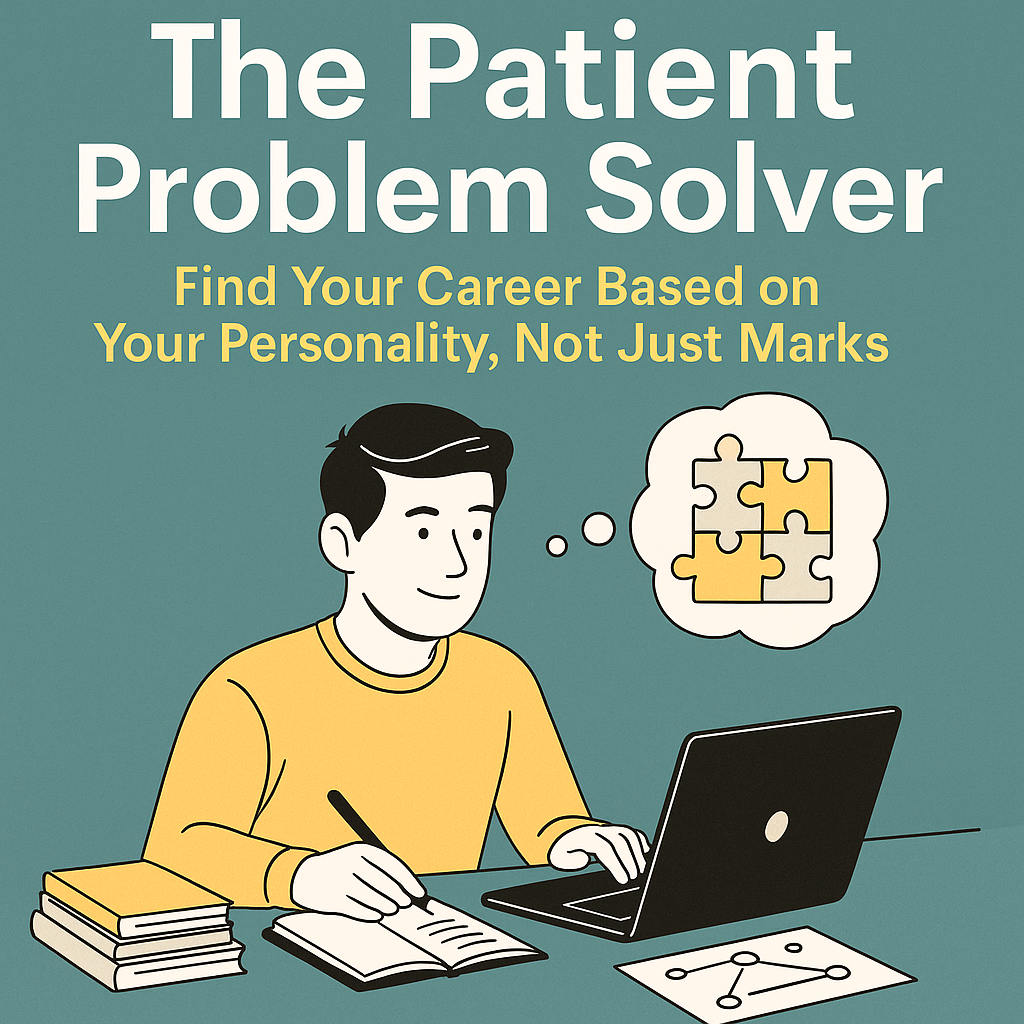
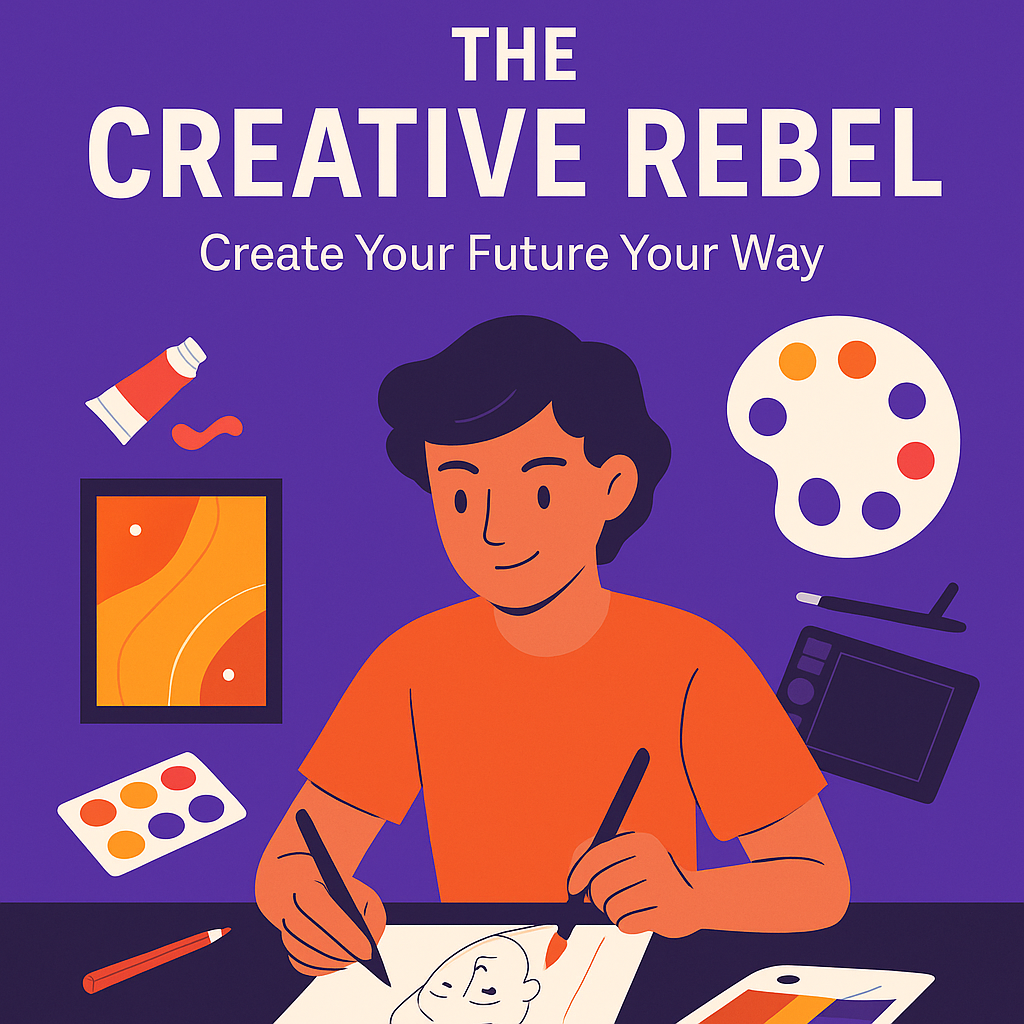
Exams are over, and you finally have time to relax! But this is also a crucial moment to think about your future. Career planning after exams can help you channel your efforts in the right direction, avoid confusion, and set yourself up for long-term success. Whether you’re uncertain about your next steps or exploring your options, this guide will help you make informed decisions.
Why Career Planning is Crucial After Exams
The Gap Between Exams and Career Decisions
The period after exams is ideal for reflecting on what you want to achieve in life. It’s common for students to feel overwhelmed due to societal and parental expectations. Without proper guidance, this gap can lead to rushed decisions, which might not align with your goals or interests.
Avoiding Last-Minute Decisions
According to a study by CBSE, 68% of students in India regret their initial career choices due to lack of planning. Early career planning provides clarity and confidence, helping you avoid last-minute decisions that may negatively impact your future.
Example:
A student who rushed into engineering without considering other options eventually switched to graphic design after realizing their true passion. Early career planning could have saved time and effort.
Assessing Your Interests and Strengths
Identifying Your Passion
Start by asking yourself:
- What subjects or activities excite you?
- What type of work environment suits you?
Use tools like career aptitude tests or platforms like Dheya to uncover your interests.
Evaluating Strengths and Weaknesses
Self-assessment is crucial. Make a list of your academic achievements, extracurricular activities, and skills. Ask for feedback from teachers, mentors, or peers to gain insights into areas you need to improve.
Exploring Career Options Available After Exams
Traditional vs. Emerging Career Paths
While traditional options like medicine, engineering, and law remain popular, emerging fields like data science, digital marketing, and AI are growing rapidly.
Sector-Wise Career Opportunities
| Sector | Popular Roles | Average Salary (INR) |
|---|---|---|
| IT & Software | Data Scientist, Developer | 6–15 LPA |
| Healthcare | Doctor, Biotech Researcher | 8–20 LPA |
| Finance | CA, Investment Banker | 7–25 LPA |
Building a Roadmap for Career Success
Setting Clear and Achievable Goals
Use SMART goals to define your career objectives. For instance:
- Specific: I want to become a software engineer.
- Measurable: Complete a certification in Python within six months.
Creating a Career Timeline
Break your plan into actionable steps:
- Research courses and colleges.
- Build skills through internships or online courses.
- Network with professionals in your field of interest.
The Role of Guidance in Career Planning
Why Professional Mentors Make a Difference
Professional mentors provide insights that parents or friends may lack. Dheya Career Mentoring, for example, has guided thousands of students toward their ideal careers.
How to Choose the Right Mentor
Look for mentors with experience in your desired field and a track record of success in career counseling.
Overcoming Common Challenges in Career Planning
Dealing with Parental Pressure
Indian families often have strong opinions about career choices. Communication is key to aligning your goals with their expectations. Share your research and show them the potential of your chosen path.
Financial and Academic Constraints
Scholarships and affordable education options are widely available in India. Platforms like Vidyasaarathi and Buddy4Study can help you find suitable funding opportunities.
Planning for Higher Education or Alternatives
Choosing the Right College or Course
Research is critical. Consider factors like placement records, faculty, and course curriculum. Visit college websites or attend career fairs for more information.
Alternatives to College Education
Vocational training, online certifications, and entrepreneurial ventures are great options for students looking to explore non-traditional paths.
Leveraging Technology for Career Planning
Online Tools and Platforms
Utilize platforms like LinkedIn, Coursera, and Dheya to learn new skills and explore opportunities.
The Importance of Digital Networking
Building connections on LinkedIn or attending virtual seminars can help you discover internships, job opportunities, and mentorships.
Action Plan: What to Do After Exams
Step-by-Step Checklist
- Reflect on your exam performance and identify your strengths.
- Research career options and create a list of interests.
- Explore courses, certifications, and colleges.
- Seek guidance from professionals.
- Start building relevant skills.
Conclusion
Career planning after exams is not just about choosing a course; it’s about defining your future. Take this opportunity to explore, plan, and align your goals with your aspirations. Don’t leave your future to chance—connect with Dheya Career Mentoring today to receive personalized guidance and build the career of your dreams.
Call to Action:
Empower your career journey with Dheya! Visit Dheya.com today for expert career mentoring.