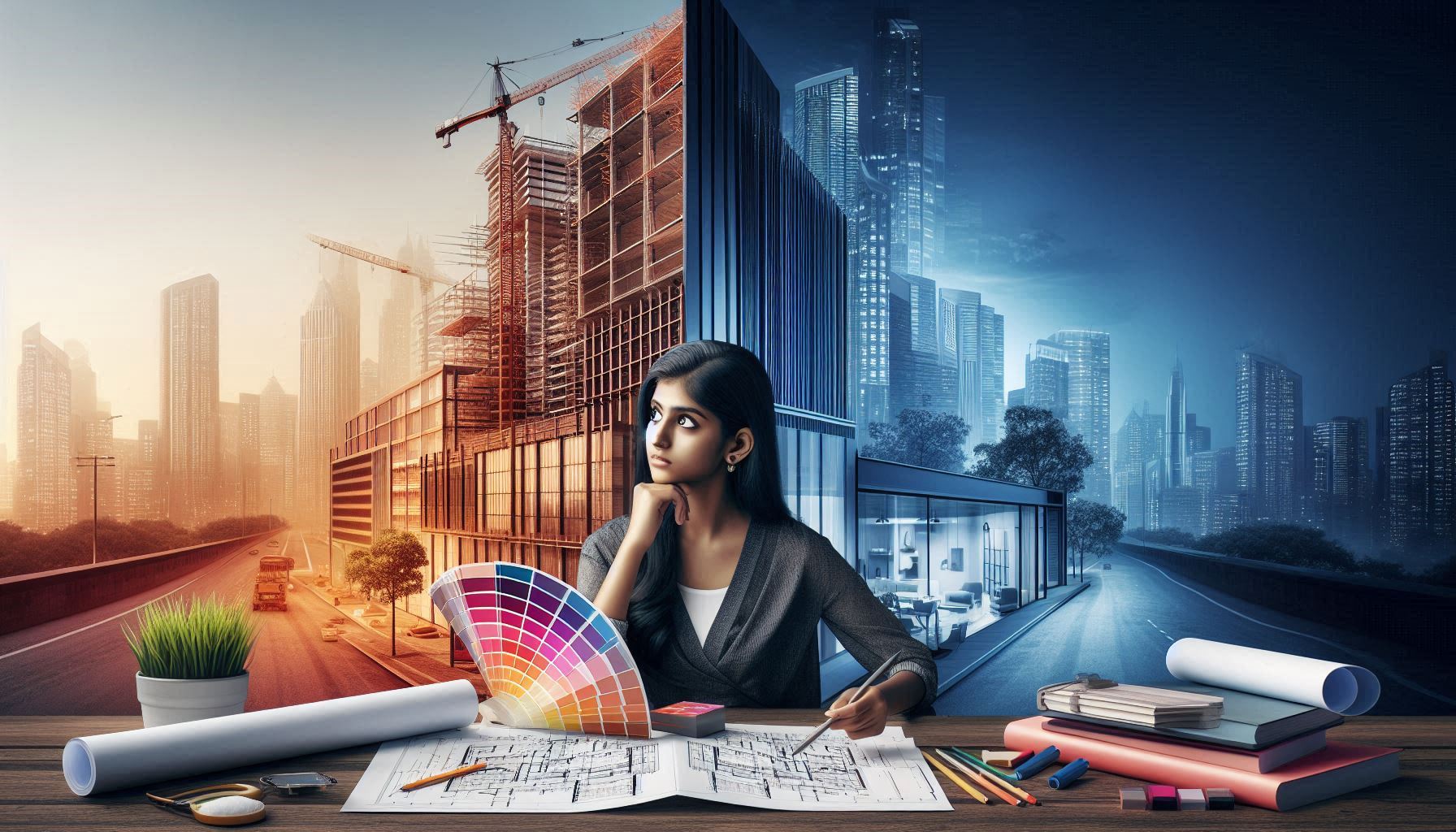
Are you passionate about designing spaces that inspire creativity and innovation? Whether you dream of building towering skyscrapers or transforming interiors into functional and aesthetic masterpieces, a career in Architecture and Interior Design can be both exciting and rewarding. This blog will guide Indian students through the educational pathways, skills required, career opportunities, and emerging trends in these fields, helping you make informed decisions about your future.
What is Architecture?
Architecture is the art and science of designing buildings and other physical structures. It goes beyond mere aesthetics, as architects are responsible for creating functional, safe, and sustainable environments. An architect’s role involves designing everything from private homes to large commercial complexes, schools, hospitals, and even cities.
Key Responsibilities of an Architect:
- Design and Planning: Architects must create detailed designs based on the client’s requirements, blending creativity with technical knowledge.
- Structural Integrity: Ensuring that the building is safe, stable, and can withstand environmental factors such as earthquakes and storms.
- Sustainability: Modern architects increasingly focus on green buildings and energy-efficient designs.
- Coordination: Architects collaborate with engineers, contractors, and interior designers to bring a project to life.
Types of Architecture:
- Residential Architecture: Designing homes, apartments, and residential complexes.
- Commercial Architecture: Focus on office buildings, shopping malls, and other commercial spaces.
- Landscape Architecture: Designing outdoor spaces, including parks and public gardens.
- Urban Planning: Focus on large-scale planning for cities, including transportation, utilities, and zoning laws.
- Green Architecture: Emphasis on environmentally friendly and sustainable designs.
What is Interior Design?
Interior design involves creating aesthetically pleasing and functional spaces within buildings. Interior designers work on transforming indoor spaces in homes, offices, hotels, and commercial establishments, making them both beautiful and functional. Their role goes beyond selecting color schemes and furniture; they focus on enhancing the overall experience of a space.
Key Responsibilities of an Interior Designer:
- Space Planning: Arranging elements within a space to ensure maximum utility and comfort.
- Material and Color Selection: Choosing appropriate materials, fabrics, and colors that complement the design.
- Lighting Design: Proper lighting enhances the mood and functionality of a space.
- Furniture Design and Layout: Selecting or designing furniture to fit the space’s requirements.
Types of Interior Design:
- Residential Interior Design: Focusing on homes and private spaces.
- Commercial Interior Design: Designing offices, shops, hotels, and restaurants.
- Hospitality Design: Specializing in the design of hotels, resorts, and entertainment spaces.
- Industrial Design: Designing manufacturing spaces or warehouses.
- Sustainable Interior Design: Focusing on eco-friendly materials and energy-efficient spaces.
Differences Between Architecture and Interior Design
While both fields focus on designing spaces, the scope and responsibilities differ:
- Architecture focuses on the overall structure and design of buildings, including technical and structural aspects, while Interior Design is focused on the interiors, aesthetics, and functionality of indoor spaces.
- Architects must have deep knowledge of engineering, building materials, and construction, while Interior Designers focus more on creativity, color theory, and design principles.
- Architects create the framework, while Interior Designers enhance the lived experience within the framework. Often, these two professions collaborate on large-scale projects.
Educational Pathways in Architecture
Qualifications Needed:
To pursue a career in Architecture in India, students must have completed their 10+2 with Physics, Chemistry, and Mathematics. Admission into top architecture programs requires clearing entrance exams like:
- NATA (National Aptitude Test in Architecture): A national-level exam for architecture aspirants.
- JEE Main (Paper 2): An entrance exam for architecture programs at select IITs and NITs.
Popular Architecture Courses in India:
- Bachelor of Architecture (B.Arch): A 5-year program that combines theory, design, and practical projects.
- Bachelor of Design (B.Des): Specializations available in areas like Industrial Design, Environmental Design, and Architectural Design.
Top Architecture Colleges in India:
- School of Planning and Architecture (SPA), Delhi
- Indian Institute of Technology (IIT), Roorkee
- Sir JJ College of Architecture, Mumbai
- CEPT University, Ahmedabad
- Manipal Academy of Higher Education, Manipal
Postgraduate Options:
- Master of Architecture (M.Arch): Further specialization in areas such as Urban Design, Sustainable Architecture, or Landscape Architecture.
Educational Pathways in Interior Design
Qualifications Needed:
For Interior Design, the requirements are more flexible, and students from any stream (Science, Commerce, or Arts) can pursue a career in this field. Some institutions may require aptitude tests like:
- NID DAT (Design Aptitude Test)
- CEED (Common Entrance Exam for Design)
Popular Interior Design Courses in India:
- Bachelor of Interior Design (BID): A 3-4 year undergraduate course focused on interior design principles.
- Bachelor of Design (B.Des): Specializations available in Interior Design and related fields.
Top Interior Design Colleges in India:
- National Institute of Design (NID), Ahmedabad
- Pearl Academy, Mumbai
- JD Institute of Fashion Technology, Bangalore
- Arch Academy of Design, Jaipur
- Amity School of Design, Noida
Postgraduate Options:
- Master of Interior Design (MID): Advanced studies in sustainable design, furniture design, or hospitality interiors.
Skills Required for Success in Architecture and Interior Design
For Architecture:
- Technical Skills: Understanding of engineering principles, construction materials, and architectural software like AutoCAD, Revit, and SketchUp.
- Creativity: Designing innovative and functional structures.
- Problem-Solving: Handling complex design challenges and meeting client expectations.
- Collaboration: Working with contractors, engineers, and designers.
For Interior Design:
- Creativity and Aesthetics: Ability to visualize and create beautiful, functional spaces.
- Attention to Detail: Focusing on colors, materials, and textures.
- Communication Skills: Presenting ideas clearly to clients.
- Proficiency in Design Software: Using tools like 3D Max, AutoCAD, and Adobe Creative Suite.
Career Opportunities in Architecture
- Private Practice: Starting your own architecture firm or working as a freelance architect.
- Corporate Architect: Designing commercial buildings for corporations or firms.
- Government Jobs: Working with agencies like CPWD, PWD, or local municipal bodies.
- Urban Planner: Specializing in town planning and large-scale urban projects.
- Academia: Teaching or conducting research in architecture schools.
Career Opportunities in Interior Design
- Interior Designer for Residential and Commercial Spaces: Designing homes, offices, and retail spaces.
- Freelancing: Offering design services on a project-by-project basis.
- Corporate Positions: Working with architecture or construction firms as an in-house designer.
- Specialized Design Roles: Set design for films, furniture design, or sustainable interior design.
- Entrepreneurship: Launching your own interior design studio.
Emerging Trends in Architecture and Interior Design
- Sustainability: As eco-consciousness grows, architects and interior designers are focusing on green materials, energy-efficient designs, and sustainable construction practices.
- Smart Homes and Buildings: Integrating technology like IoT (Internet of Things) to create smart, connected homes and office spaces.
- Minimalism and Open Spaces: Less is more – the trend of decluttering and maximizing open, functional spaces.
- Biophilic Design: Incorporating natural elements like greenery, sunlight, and ventilation to enhance well-being.
Challenges in Architecture and Interior Design
- High Competition: Standing out requires strong portfolios and unique ideas.
- Staying Updated: The fields of architecture and design are constantly evolving, so continuous learning is essential.
- Client Expectations: Balancing creativity with client demands and budget constraints can be challenging.
How to Build a Successful Career in Architecture and Interior Design
- Networking: Building a professional network through internships, design competitions, and industry events is crucial.
- Portfolio Development: A well-rounded portfolio showcasing your best work is key to landing clients or jobs.
- Continual Learning: Enroll in workshops, courses, or certifications to stay updated on new tools, techniques, and trends.
- Entrepreneurship: If you dream of starting your own business, learn about project management, marketing, and client relations.
How Architecture and Interior Design Impact India’s Future
As India urbanizes rapidly, architects and designers are playing a crucial role in shaping its cities, homes, and public spaces. The rise of smart cities, green architecture, and a booming real estate market provides excellent career opportunities for students entering these fields.
Conclusion and Call to Action
A career in architecture or interior design offers endless possibilities for creativity, innovation, and growth. If you’re passionate about transforming spaces and designing for the future, explore these fields and embark on an exciting career journey.
Need Help Choosing the Right Career Path?
Choosing the right career can be overwhelming. Dheya’s scientific career guidance services can help you make informed decisions. Our experienced mentors and data-driven approach ensure you find a career that aligns with your strengths and passions. Book a meeting with Dheya today for personalized guidance.
FAQs
- What is the difference between architecture and interior design?
Architecture focuses on the design and structure of buildings, while interior design is about the functionality and aesthetics of spaces within buildings. - Do I need a science background to pursue architecture?
Yes, a background in Physics, Chemistry, and Mathematics is typically required for architecture programs in India. - Can I pursue interior design after 12th from any stream?
Yes, students from Science, Commerce, or Arts backgrounds can pursue interior design after the 12th. - What are the top entrance exams for architecture in India?
NATA and JEE Main (Paper 2) are the main entrance exams for architecture courses. - Is it essential to know design software to become an interior designer?
Yes, proficiency in software like AutoCAD, 3D Max, and Adobe Creative Suite is crucial for a successful career in interior design.