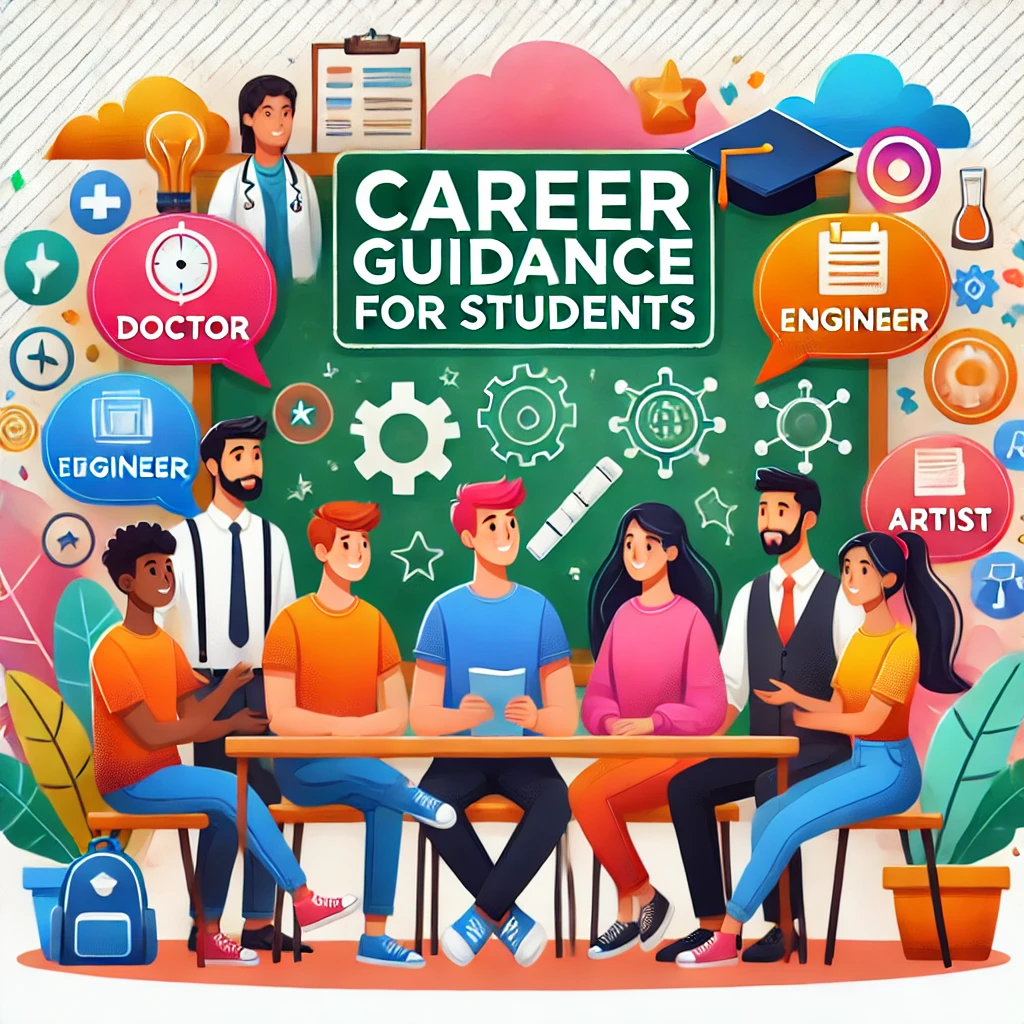
In today’s fast-paced world, choosing the right career is more critical than ever. With countless opportunities and rapidly evolving industries, students often feel overwhelmed when making career decisions. This is where career guidance plays a crucial role. Whether you’re a student trying to figure out your path or a parent looking to support your child’s journey, career guidance can be the difference between uncertainty and success.
This blog aims to provide a complete overview of career guidance for students, highlighting its importance and offering actionable advice for both students and parents.
What is Career Guidance?
Career guidance is the process of helping individuals understand their strengths, weaknesses, interests, and abilities to make informed career choices. It goes beyond just picking a career—it’s about planning a fulfilling professional journey based on personal values, skills, and aspirations. Career guidance involves:
- Self-assessment through psychometric tests.
- Exploring different career options.
- Goal setting and creating a roadmap for achieving those goals.
Why is Career Guidance Important for Students?
For Students:
- Self-Discovery: Career guidance helps students understand their own strengths, interests, and skills. It enables them to explore different paths they may not have considered before.
- Informed Decisions: With the help of career guidance, students can make well-researched decisions rather than following trends or societal pressures.
- Reduces Anxiety: Many students feel anxious about their future. Career guidance helps them understand that they are not alone and that there are structured paths to success.
For Parents:
- Supportive Role: Parents can play a key role in guiding their children through career decisions. Career guidance provides the tools and resources parents need to support their child’s goals.
- Open Dialogue: Career guidance fosters healthy discussions between parents and students, helping them align expectations with reality.
- Avoiding Pressure: Often, parents unknowingly put pressure on their children. Career guidance encourages parents to allow students the freedom to explore options without making rushed decisions.
When Should Career Guidance Begin?
Ideally, career guidance should begin in middle school or early high school. This is a crucial time when students start thinking about their future, and early intervention helps them make informed decisions about their subject choices, extracurricular activities, and future goals. Waiting until the final year of school often leads to rushed and uninformed decisions.
Starting early doesn’t mean deciding on a specific career immediately. It’s about exploration and gradually narrowing down options as the student grows and learns more about themselves and the world around them.
Key Components of Effective Career Guidance
1. Self-Assessment Tools
Career guidance typically begins with a thorough self-assessment. Psychometric tests are commonly used to evaluate a student’s:
- Aptitude: Measures a student’s natural ability in various areas.
- Interests: Helps students understand what careers might align with their passions.
- Personality: Provides insight into how a student works best and what environments suit them.
These tests provide a scientific basis for making career decisions and help students understand themselves better.
2. Career Exploration
Once students understand their strengths and interests, the next step is career exploration. This involves:
- Researching different careers.
- Speaking to professionals in the field.
- Gaining hands-on experience through internships or volunteer work.
Encouraging students to explore a variety of career paths helps them make informed decisions without feeling confined to one option.
3. Goal Setting
After identifying potential career options, students should set both short-term and long-term goals. Career guidance helps break down these goals into actionable steps, such as:
- Choosing the right subjects in school.
- Pursuing relevant extracurricular activities.
- Building skills through internships or certifications.
Setting clear goals makes the path to success more manageable and reduces feelings of uncertainty.
How Academic Choices Impact Career Planning
Career planning is closely tied to academic performance. The subjects a student chooses in school and the marks they achieve can significantly influence their career options. However, career guidance emphasizes that academic choices should align with a student’s career aspirations. Here’s how:
- Stream Selection: Students often choose between Science, Commerce, or Arts based on their career goals. Career guidance helps make this decision more strategic by aligning it with future career possibilities.
- Extracurricular Activities: Career guidance also emphasizes the importance of building soft skills through extracurricular activities, as these can enhance a student’s resume and help them stand out in competitive fields.
The Role of Parents in Career Guidance
Parents play a significant role in supporting their children through the career decision-making process. Here are some tips for parents:
- Encourage Open Communication: Talk to your child about their interests and ambitions. Be supportive rather than judgmental.
- Avoid Pressuring: It’s important to guide, not dictate. Let your child explore different options at their own pace.
- Stay Informed: Understand the modern job market and be aware of the variety of career options available today. This will help you provide informed support.
Common Myths About Career Guidance
- “Career Guidance is Only for Students with Problems”
This is false. Career guidance is for all students, whether they are excelling academically or facing challenges. It helps students make well-informed choices regardless of their current academic standing. - “It’s Too Late to Change Career Paths”
Another myth. Career paths are not set in stone, and students can pivot at any point. Career guidance helps students explore new options if they feel unsure about their current path. - “Career Guidance is Expensive”
While some services may have a fee, many affordable and even free career guidance resources are available. It’s a worthwhile investment in a student’s future.
How Dheya Can Help
At Dheya Careers, we specialize in providing tailored career guidance for students. Our services include:
- Personalized Career Assessments: Through scientific assessments, we help students understand their strengths and interests.
- Mentorship: Students receive guidance from experienced mentors who help them plan their future.
- Long-Term Career Planning: We offer support not just for immediate decisions, but for long-term career success.
By choosing Dheya, students and parents can ensure they are making informed decisions that lead to a fulfilling career.
Conclusion
Career guidance is an essential tool for students as they navigate their educational and professional futures. By starting early and utilizing the right resources, students can make informed, confident decisions about their careers. Parents play a vital role in this process by providing support and encouraging open communication.
Are you ready to take the next step in your career journey? Contact Dheya today to learn more about how our career guidance services can help you succeed.