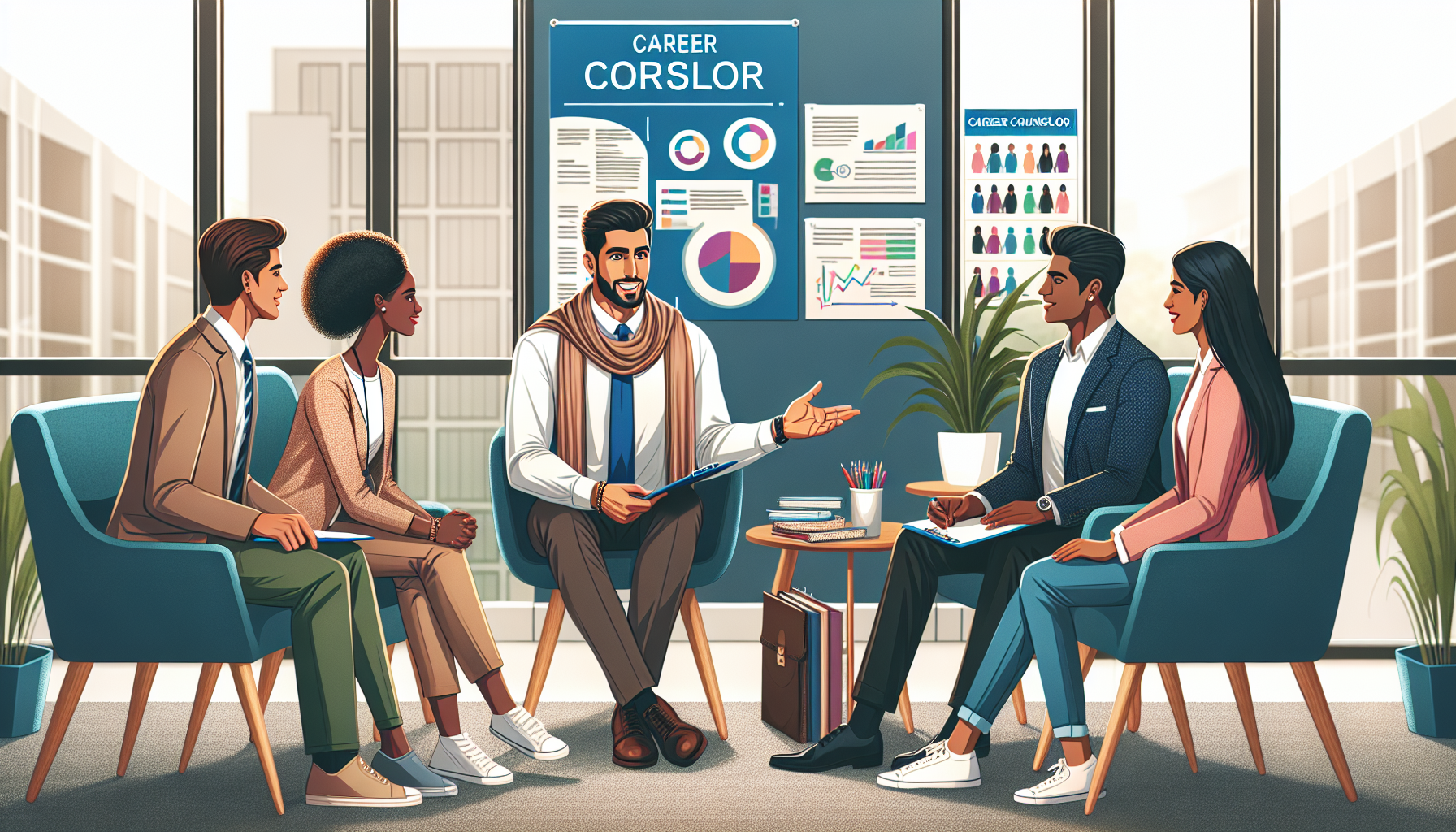
In today’s fast-paced and ever-evolving world, career choices have become increasingly complex. With hundreds of career paths available, individuals, especially students and professionals, often feel lost when it comes to choosing the right career. This is where career counseling techniques play a vital role in offering structured guidance. These techniques help individuals understand their strengths, weaknesses, interests, and aptitudes, and map them to suitable career paths. Whether you are a high school student deciding on a future career or a professional looking for a mid-career transition, these methods can help you make informed decisions.
However, there’s a question worth pondering: Are these career counseling techniques, most of which are developed outside India, relevant to the Indian context? And what new approaches can specifically cater to Indian professionals and students?
Career Counseling Techniques Overview
Career counseling techniques refer to the methods and tools used by counselors to guide individuals in identifying the right career path. The process generally involves psychometric assessments, career aptitude tests, interviews, and personality evaluations.
Popular Career Counseling Techniques
- MBTI (Myers-Briggs Type Indicator): A popular personality test that helps individuals understand their personality type and how it influences their career decisions.
- RIASEC (Holland Codes): This test categorizes individuals into six personality types—Realistic, Investigative, Artistic, Social, Enterprising, and Conventional—to help them align with suitable careers.
- Strong Interest Inventory: This test measures your interests and suggests careers that match those interests.
But here’s a question relevant to Indian audiences—are these tests developed for individuals outside India applicable here? While MBTI and RIASEC are valuable tools, they have certain limitations in the Indian context. The cultural, social, and economic factors in India are vastly different from Western countries. For example, career choices in India are heavily influenced by family expectations and societal norms. Hence, adapting these tools or using India-specific models like the Dheya 7D model can be more effective.
Techniques for Specific Audiences
Techniques for High School Students
Career counseling for high school students is crucial as they are at the stage of exploring future career options. At this phase, psychometric assessments and aptitude tests are frequently used.
- Psychometric Tests: These tests evaluate the student’s cognitive abilities, interests, and personality traits. For example, the MBTI test helps students discover whether they are more suited for creative fields, technical jobs, or leadership roles.
Real-Life Example: A 10th-grade student, Priya, was unsure whether to pursue engineering or creative arts. After undergoing psychometric testing and a one-on-one counseling session, it was found that she had strong social and artistic inclinations. The counselor helped her explore careers in design, resulting in her pursuing graphic design.
Techniques for Professionals
Career counseling for professionals focuses on mid-career transitions, professional growth, and work-life balance. Professionals often face challenges in identifying the next step in their career, especially if they feel stagnated.
- Leadership Development and Career Growth: Counselors use tools like 360-degree feedback to help professionals understand their strengths and areas of improvement.
- Work-Life Balance Counseling: This type of counseling helps professionals manage stress, set priorities, and achieve a healthy work-life balance.
Real-Life Example: Rahul, a mid-level manager in an IT firm, was feeling burnt out and unfulfilled in his current role. After career counseling sessions and a 360-degree feedback assessment, Rahul realized that he was better suited for a role in project management. With strategic coaching, he transitioned into a new role, and his job satisfaction improved significantly.
Counseling Techniques for Special Situations
Counseling Techniques to Handle Dual Career Problems
Dual career challenges arise when couples have conflicting career aspirations or work in demanding roles that make balancing personal life difficult. In such situations, counseling techniques focused on negotiation, prioritization, and stress management are employed.
- Work-Life Integration: Counselors help couples devise strategies to maintain their individual career paths while supporting each other.
Career Counseling Theories and Techniques
Career counseling draws on various theories to design personalized plans for individuals.
- Holland’s Career Typology: Matches personality types with career paths.
- Super’s Self-Concept Theory: Focuses on how individuals’ self-concept evolves over time and affects their career choices.
- Krumboltz’s Social Learning Theory: Emphasizes the role of learning and environmental factors in career development.
These theories offer valuable insights, but once again, their effectiveness in India is limited due to cultural differences.
Specialized Counseling Techniques
MBTI as a Career Counseling Technique
The MBTI test is a widely used tool that helps individuals identify their personality type and align it with suitable career paths. However, critics argue that it lacks cultural relevance in India. The test was developed in the U.S. and may not consider the unique social and economic pressures Indian individuals face when making career decisions.
- Is MBTI Relevant in India?: While MBTI provides valuable insights, it needs to be supplemented with other culturally relevant tools. The test should be adapted to reflect Indian values, family expectations, and economic constraints.
Big 5 Personality Theory
The Big 5 Personality Theory is a globally recognized framework that evaluates personality based on five dimensions: openness, conscientiousness, extraversion, agreeableness, and neuroticism. This theory provides a more comprehensive view of personality traits than MBTI and is gaining traction in career counseling, especially in more diverse and multicultural environments like India.
- Relevance in India: The Big 5 can be more applicable to the Indian context as it covers broader personality traits that may align better with the complexities of Indian society, such as handling family pressures, societal norms, and individual career ambitions.
Dheya’s 7D Model of Career Development
To cater to the specific needs of Indian students and professionals, Dheya has developed the 7D model of career development. This model is a structured process that takes into account personal strengths, family influences, and social realities. The 7D model is focused on helping individuals discover their life purpose and develop a career plan that aligns with their long-term goals.
The 7 Steps of the 7D Model:
-
- Discover: Begin with self-awareness through comprehensive assessments that help identify personal strengths, interests, and values.
- Direction: Set a clear career direction by aligning personal insights with potential career opportunities, providing a sense of purpose and focus.
- Dream: Visualize your ideal career by exploring long-term aspirations and goals, giving you a clearer picture of where you want to go.
- Desire: Cultivate a strong desire and motivation to pursue your chosen career path, setting meaningful short-term and long-term objectives.
- Design: Create a personalized career roadmap that outlines actionable steps, strategies, and resources needed to achieve your goals.
- Develop: Continuously acquire and enhance the necessary skills, knowledge, and competencies to stay competitive and relevant in your field.
- Destination: Arrive at your career destination by achieving mastery and success in your chosen field, ensuring sustained growth and fulfillment.
The Dheya 7D model is particularly relevant to the Indian context as it addresses the family-driven decision-making process that influences career choices in India. It also focuses on long-term career sustainability rather than short-term job satisfaction.
Essential Elements of Career Counseling Techniques
Career counseling techniques rely on a few essential elements for effectiveness, including:
- Active Listening: Understanding the individual’s aspirations, fears, and limitations.
- Goal Setting: Helping individuals set SMART (Specific, Measurable, Achievable, Relevant, Time-bound) goals.
- Personalized Action Plans: Creating a step-by-step plan for career development.
FAQs on Career Counseling Techniques
Q: Are career counseling techniques developed outside India relevant to Indian students?
A: Many of the techniques developed outside India, like MBTI and Holland Codes, provide valuable insights but may not fully capture the cultural nuances in India. Tools like the Dheya 7D model offer a more localized approach.
Q: What is the Big 5 Personality Theory, and is it useful in career counseling?
A: The Big 5 Personality Theory assesses five major dimensions of personality. It is more comprehensive than MBTI and increasingly used in diverse settings, making it relevant for India as well.
Q: How can career counseling help professionals in mid-career transitions?
A: Career counseling offers tools like leadership coaching, work-life balance counseling, and strategic planning to help professionals navigate mid-career changes effectively.
Q: How does the Dheya 7D model differ from traditional career counseling techniques?
A: The Dheya 7D model is designed for the Indian context, focusing on holistic career development and taking into account personal, familial, and social factors that affect career decisions.
Conclusion
Career counseling techniques are essential for guiding individuals through the complexities of career decisions, whether they are just starting out or transitioning mid-career. While many of the traditional methods like MBTI and Holland Codes offer valuable insights, their applicability in India can be limited due to the unique cultural and social dynamics. Locally adapted models, such as the Dheya 7D model, along with frameworks like the Big 5 Personality Theory, provide a more relevant and holistic approach to career counseling in the Indian context.
If you’re passionate about helping others find the right career path and want to master the art of career counseling, consider joining Dheya’s Career Counselling Certification Program. This program equips you with the necessary skills, tools, and techniques tailored for the Indian market, enabling you to guide students and professionals toward fulfilling and sustainable career choices. Whether you’re an aspiring counselor or a professional looking to expand your skill set, Dheya’s certification will provide the expertise you need to make a meaningful impact in people’s lives.
Book Meeting to Learn More About Career Counselling Certification Program