
In today’s fast-paced world, career counseling has become increasingly important, especially for students and professionals seeking clarity in their career paths. According to a recent survey, about 70% of Indian students feel uncertain about their career choices. As the demand for guidance grows, so does the availability of resources—both free and paid. Understanding the differences between these resources can help you make informed decisions that align with your career aspirations.
Defining Career Counseling Resources
Career counseling resources encompass a variety of tools, programs, and services designed to help individuals navigate their career paths. These can be broadly categorized into free and paid resources.
- Free Resources: These include online articles, forums, webinars, and community support groups that do not charge any fees for access.
- Paid Resources: These involve professional counseling services, personalized assessments, and comprehensive training programs that typically require a fee.
Pros and Cons of Free Career Counseling Resources
Advantages:
- Accessibility: Free resources are widely available and can be accessed by anyone with an internet connection. For instance, platforms like Mindler, Career guide, Idreamcareer, LinkedIn offer free webinars on career choices, allowing students from various backgrounds to gain insights without financial burden.
- Variety: A wealth of free resources exists, from YouTube videos to online articles, covering different career options and counseling techniques.
- Community Support: Online forums, such as those on Quora, provide spaces for individuals to ask questions and receive advice from peers who may have faced similar dilemmas.
Disadvantages:
- Quality: The reliability and professionalism of free resources can vary greatly. For example, while a blog post may offer useful tips, it may lack the expertise of a trained counselor.
- Limited Personalization: Free resources often provide generic advice that may not suit your specific circumstances. For instance, an article discussing engineering careers might not take into account your unique skills and interests.
- Outdated Information: Many free resources are not regularly updated, which can lead to reliance on outdated trends and information.
Pros and Cons of Paid Career Counseling Resources
Advantages:
- Professional Expertise: Paid services typically involve trained professionals who offer informed guidance. For example, Dheya Career Mentoring provides personalized mentorship that incorporates the latest industry trends.
- Tailored Solutions: Professionals can create customized career plans based on your assessments. This ensures you receive advice suited to your strengths, interests, and market demands.
- Comprehensive Support: Paid resources often include ongoing support, such as follow-up sessions, workshops, and access to additional resources, ensuring you have guidance throughout your career journey.
Disadvantages:
- Cost: The fees for paid services can be a significant barrier. Many individuals, especially students, may find it challenging to allocate funds for career counseling.
- Quality Variation: Not all paid resources guarantee high quality. For instance, while some programs may offer exceptional service, others may fall short of expectations.
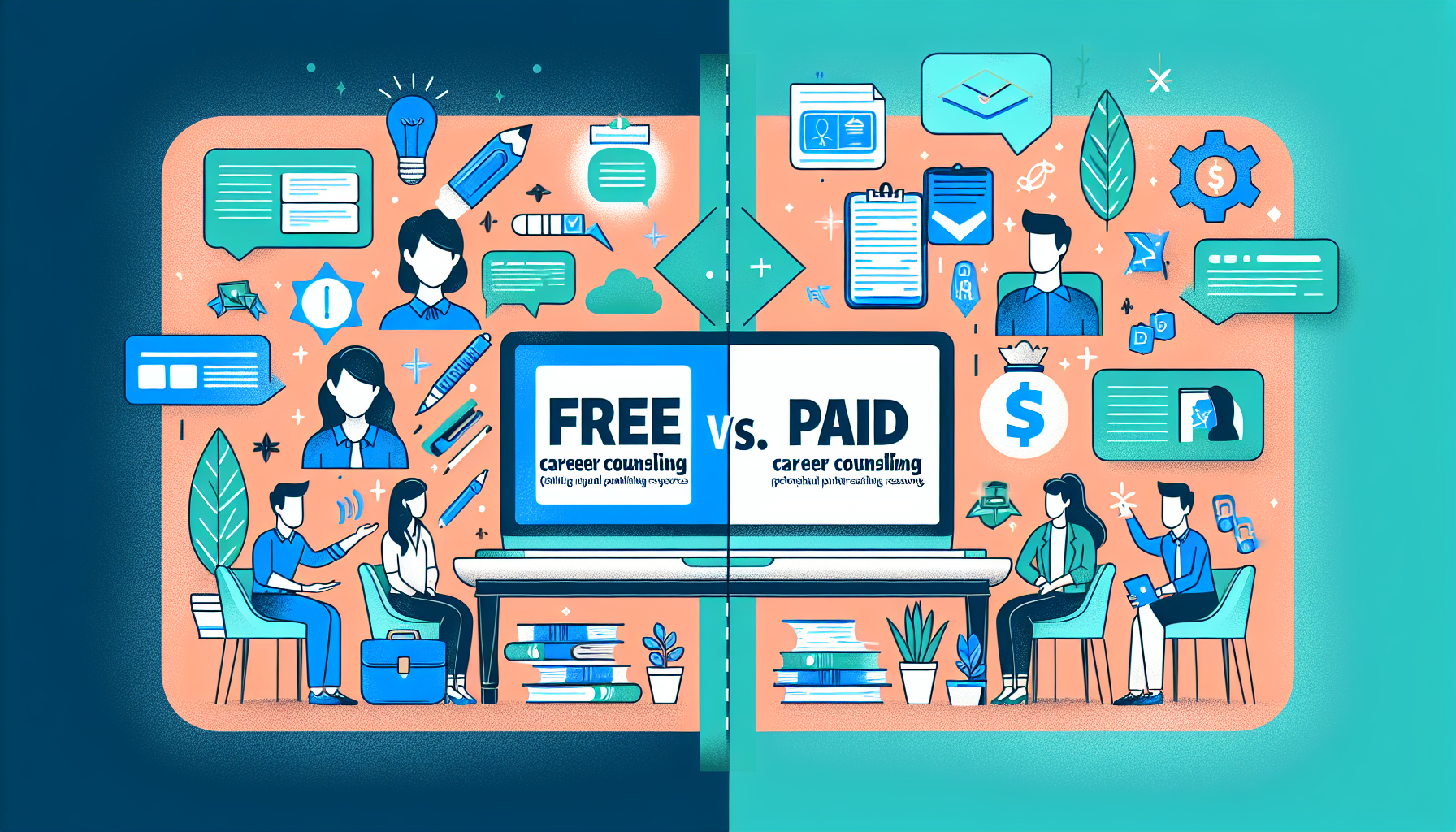
Comparative Analysis: Free vs. Paid Resources
| Feature | Free Resources | Paid Resources |
|---|---|---|
| Accessibility | Widely available online | Limited to those who can pay |
| Quality | Varies; may lack professionalism | Usually backed by trained professionals |
| Personalization | Generic advice; limited customization | Tailored solutions based on individual assessments |
| Ongoing Support | Usually lacks follow-up | Offers continued assistance and resources |
What to Consider When Choosing Between Free and Paid Resources
When deciding between free and paid resources, consider the following:
- Personal Goals: Are you looking for a general direction or specific guidance tailored to your situation?
- Financial Situation: Evaluate what you can afford. If you’re a student, it might be wise to explore free resources initially, but invest in paid services as your needs become clearer.
- Importance of Personalization: If you feel you need customized guidance, investing in paid resources could be more beneficial in the long run.
Real-Life Examples and Case Studies
Example 1: Riya, a recent graduate, initially relied on free YouTube videos for career advice. While she gained some insights, she found it difficult to implement the advice effectively. Eventually, she decided to enroll in Dheya’s paid mentorship program, where she received personalized guidance. This investment helped her land her dream job in marketing.
Example 2: Arun, a high school student, used free resources from online forums to explore various career options. However, he soon realized that he needed more personalized support to choose between engineering and medical studies. After consulting with a career counselor through a paid service, Arun received tailored advice and ultimately made an informed decision.
Conclusion
Navigating your career path can be daunting, but understanding the pros and cons of free and paid career counseling resources can empower you to make informed choices. Free resources offer accessibility and variety, but they may lack the personalization and expertise found in paid options. Ultimately, the choice depends on your personal goals and financial situation.
If you’re looking for professional guidance tailored to your unique needs, consider exploring Dheya Career Mentoring. Their programs focus on equipping individuals with the tools and insights necessary for success, helping you unlock your full potential. Remember, investing in your career is an investment in your future!