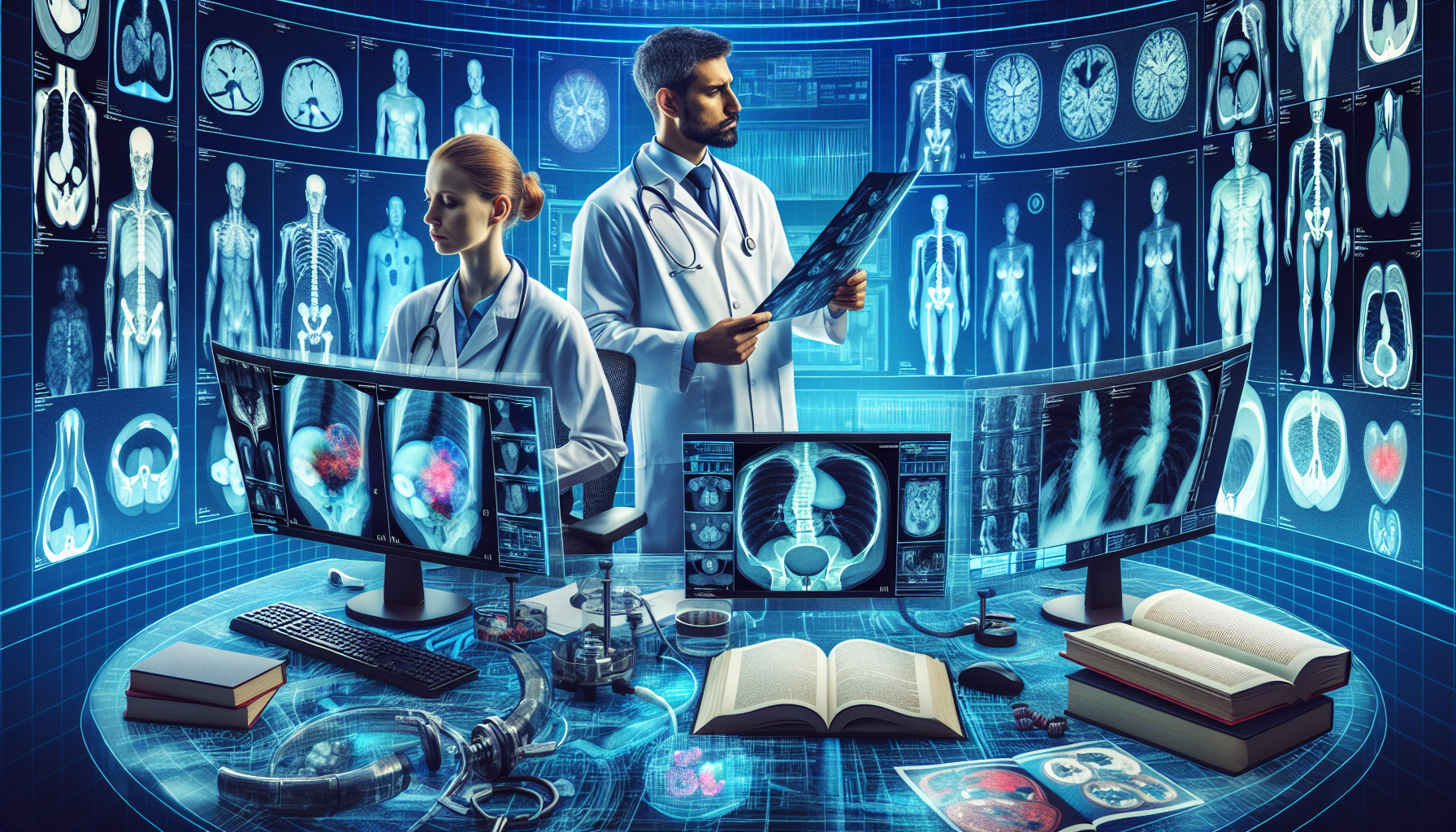
Radiology is a dynamic field that combines the power of imaging technology with the art of medical diagnosis and treatment. In this comprehensive blog, we’ll delve into the intricacies of radiology, its specializations, educational pathways, and the diverse career opportunities it offers.
Table of Contents
- 🤔 What is Radiology?
- 👩⚕️ Radiology Technician vs. Radiologist
- 📚 Syllabus of the Radiology Program
- 🔍 Eligibility and Entrance Examinations
- 🧬 Radiology Specializations
- 📚 Radiology Courses at AIIMS
- 📊 NEET Score in Radiology Programs
- 🎓 Radiology Programs Beyond NEET
- FAQ
🤔 What is Radiology?
Radiology is a branch of medicine that utilizes imaging technology for both diagnosing and treating diseases. While it is commonly associated with diagnosis, it also plays a crucial role in the treatment of various medical conditions.
👩⚕️ Radiology Technician vs. Radiologist
There is a common misconception regarding the different roles within the field of radiology. After completing a BSc in Radiology, individuals become radiology technicians, responsible for conducting diagnoses using imaging technology. On the other hand, those who pursue an MD in Radiology after completing an MBBS program become radiologists. Radiologists have the authority to diagnose, treat, prescribe, and communicate directly with patients, while radiology technicians primarily focus on conducting diagnoses through imaging technology.
📚 Syllabus of the Radiology Program
When pursuing a radiology program, you will delve into a comprehensive syllabus that covers a diverse range of subjects. Some of the key areas of study include:
- Human anatomy
- Physiology and pathology
- Physics-related topics such as medical physics and radiation physics
- Radiobiology and radiation
- Quality control
- Anesthetics
- Diagnostic radiology
These subjects provide a strong foundation in understanding the human body, medical imaging, radiation, and the technical aspects of conducting diagnoses.
Specializations and Higher Study Options in Radiology
Upon completing a radiology program, there are various opportunities for specialization and further study within the field. Some of the specialization options include:
- Diagnostic radiology
- Cardiovascular radiology
- Radiation oncology
- Pediatric radiology
- Gastrointestinal radiology
These specializations allow individuals to focus on specific areas of radiology, such as pediatric care, cancer treatment, or cardiovascular imaging, and contribute to advancements in medical diagnostics and treatment.
🔍 Eligibility and Entrance Examinations
For admission to a BSc program in radiology, candidates must have completed their plus two in science. The duration of the program typically spans four years. Entrance examinations for radiology programs vary by institute. For instance, the All India Institute of Medical Science (AIIMS) conducts a specific exam for its radiology and ophthalmology-related programs. Some institutes consider NEET scores for admissions, and there is a trend where NEET scores are also being accepted by institutions like AIIMS. It’s essential to research the specific entrance requirements of the institute of interest, as some may solely consider plus two scores for admissions, while others have their own entrance exams.
Employment Opportunities in Radiology
Upon completing a radiology program, graduates have a wide array of employment opportunities. Some potential career paths include becoming an x-ray technician, radiographer, therapy radiographer, radiation protection specialist, or diagnostic radiographer. For instance, radiation protection specialists play a crucial role in ensuring safety in x-ray rooms, where lead walls and specialized doors are essential to prevent radiation from penetrating outside. These professionals are integral to maintaining quality control and safety standards in radiology settings.
🧬 Radiology Specializations
After completing a radiology program, there are various opportunities for specialization and further study within the field. Some of the specialization options include:
- Diagnostic radiology
- Cardiovascular radiology
- Radiation oncology
- Pediatric radiology
- Gastrointestinal radiology
These specializations allow individuals to focus on specific areas of radiology, such as pediatric care, cancer treatment, or cardiovascular imaging, and contribute to advancements in medical diagnostics and treatment.
📚 Radiology Courses at AIIMS
The eligibility for getting into a BSc program in radiology is plus two science, and the duration of the program is typically four years. When it comes to entrance examinations, the All India Institute of Medical Science (AIIMS) offers a program in radiology, along with other related programs in ophthalmology. Entrance requirements may vary by institute, so it’s essential to research the specific entrance requirements of the institute of interest. AIIMS conducts specific exams for its radiology and ophthalmology-related programs, and some institutes consider NEET scores for admissions. It’s crucial to stay informed about the specific entrance requirements for the desired program.
📊 NEET Score in Radiology Programs
NEET scores are increasingly becoming a crucial factor for admissions into radiology programs. Certain institutes now consider NEET scores for granting admission to their radiology programs. Additionally, renowned institutions like AIIMS have also started accepting NEET scores for admissions into programs such as radiology. It’s essential for prospective students to stay updated on the evolving admission criteria and the specific requirements of each institute.
🎓 Radiology Programs Beyond NEET
While NEET scores are gaining prominence in the admission process for radiology programs, the entry criteria may vary across institutes. Some universities do not conduct specific entrance examinations and primarily consider the plus two scores for admissions into their radiology programs. Prospective students should thoroughly research the admission requirements of their preferred institutes to understand the specific criteria and ensure they meet the necessary qualifications.
FAQ
If you have any doubts or questions about the radiology program, feel free to reach out to us. For more career guidance, connect our Career Guidance experts.