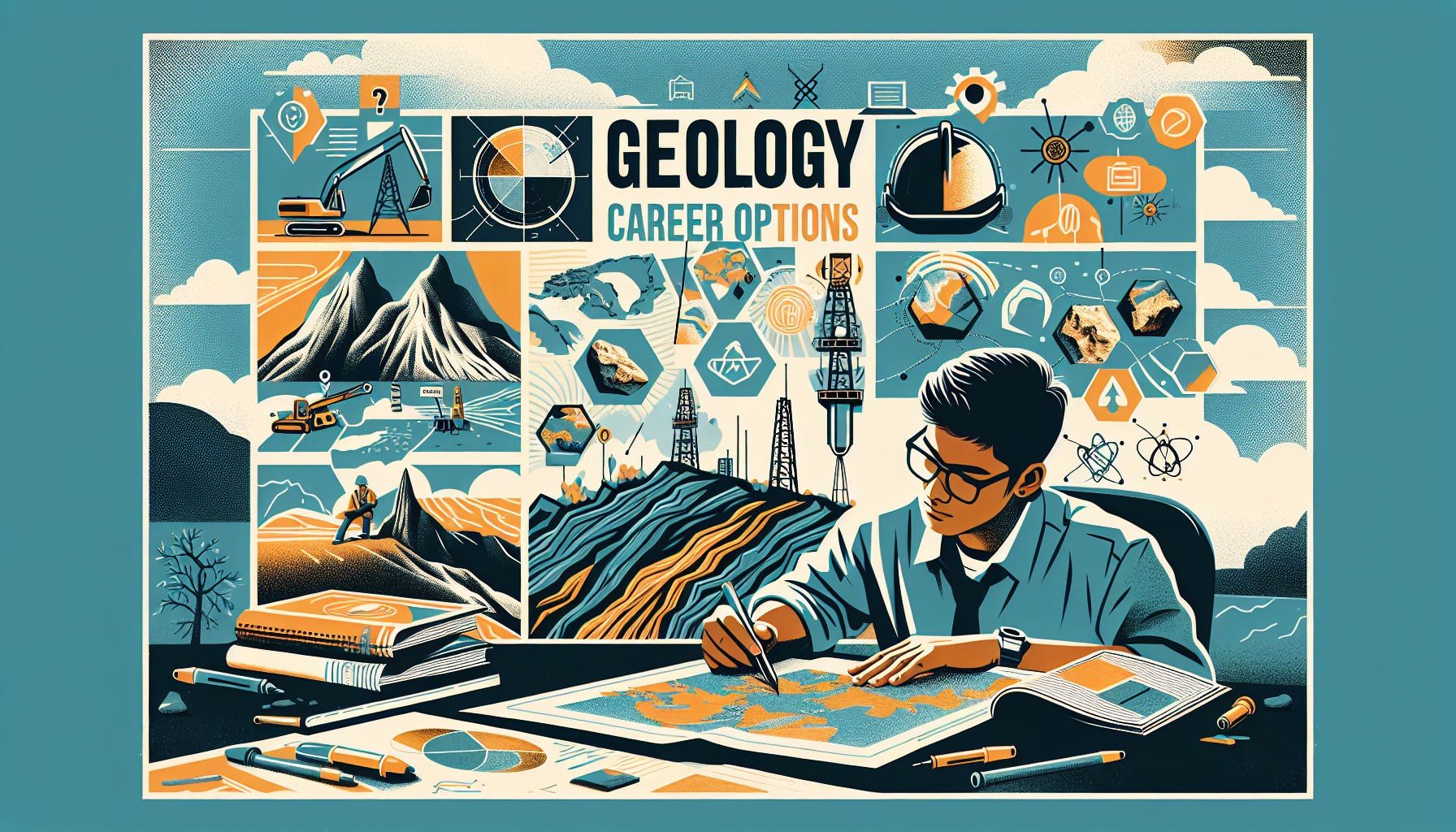
If you’re fascinated by rocks, landscapes, and understanding the earth’s processes, a career in geology might be perfect for you! In this guide, we’ll explore the Geology career options and answer some common questions like “How to become a geologist after 12th?” and “Is geology a good career in India?”
What is Geology?
Geology is the study of the Earth—its materials, processes, history, and how it affects life. Geologists play a crucial role in areas like resource management, environmental protection, and even predicting natural disasters.
Career Options in Geology
There are plenty of career paths you can take as a geologist in India, depending on your interests. Here’s a quick overview:
- Environmental Geologist: They work on environmental impact studies, waste disposal, and land use.
- Petroleum Geologist: They focus on finding oil and gas reserves.
- Mining Geologist: They help find and extract minerals.
- Hydrogeologist: They study underground water resources.
- Seismologist: They specialize in studying earthquakes and seismic waves.
Each of these careers requires different skill sets but offers exciting opportunities in India and abroad.
How to Become a Geologist in India After 12th
To start your journey in geology, here’s what you need to do:
- Choose the Right Subjects in 12th Grade: Opt for the science stream with subjects like physics, chemistry, and mathematics.
- Pursue a Bachelor’s Degree: You can choose courses like B.Sc. in Geology, Earth Science, or Applied Geology. Some universities offering geology degrees in India are:
- University of Delhi
- Banaras Hindu University
- IIT Kharagpur
- Higher Education: After graduation, many geologists opt for a master’s degree (M.Sc. or M.Tech) for specialized knowledge.
- Certifications & Internships: Gaining practical experience through internships in companies or government organizations will boost your chances in the job market.
Is Geology a Good Career in India?
Yes, geology is a promising career option in India. With growing demand for natural resources and a focus on sustainable development, geologists are needed in various sectors such as:
- Oil and gas exploration
- Mining
- Environmental consulting
- Government research bodies like the Geological Survey of India (GSI)
However, it’s important to note that the demand for geologists can vary depending on industry needs. A career in geology offers stability and good salary packages, especially after gaining some years of experience.
Geology Career Paths: Different Specializations
As a geology graduate, you can specialize in different fields, depending on what excites you the most. Here are some popular geology career paths:
| Specialization | Job Role | Industry |
|---|---|---|
| Petroleum Geology | Explore oil and gas reserves | Oil companies, ONGC |
| Mining Geology | Locate minerals like gold, coal | Mining companies, Coal India |
| Environmental Geology | Assess environmental impacts | NGOs, government agencies |
| Hydrogeology | Study underground water resources | Environmental consultancies |
| Seismology | Study earthquakes | Research institutes, disaster management |
Each of these career paths comes with its unique challenges but offers exciting opportunities to explore the planet.
Geology Careers with a Bachelor’s Degree
You can start working in geology right after getting your bachelor’s degree. Some common job roles for B.Sc. geology graduates include:
- Geotechnical Engineer: Assesses the stability of soil and rock for construction projects.
- Field Technician: Assists senior geologists in field research and data collection.
- Environmental Consultant: Helps in assessing environmental impacts for development projects.
While these roles are great for fresh graduates, pursuing a master’s degree can open doors to more senior positions.
Skills Required for a Successful Geology Career
To thrive in a geology career, you’ll need a blend of technical and soft skills. Here are some essential skills:
- Analytical Skills:
- Ability to analyze geological data and identify patterns or trends.
- Strong problem-solving skills to address complex geological issues.
- Technical Proficiency:
- Familiarity with GIS, remote sensing, and data analysis software.
- Knowledge of field equipment used for data collection, such as GPS devices and geological mapping tools.
- Communication Skills:
- Ability to present findings clearly, both in writing and verbally, to stakeholders and non-specialists.
- Teamwork skills to collaborate with professionals from various fields, such as engineering and environmental science.
- Fieldwork Skills:
- Comfort working outdoors in various environments, from rugged terrains to urban settings.
- Physical stamina for conducting field surveys and collecting samples.
- Attention to Detail:
- Precision in analyzing samples, interpreting data, and documenting findings to ensure accuracy.
- Adaptability:
- Willingness to learn new technologies and methods as the field evolves.
- Ability to adapt to changing work environments, whether in the field or the lab
Advancements and Challenges in the Geology Field
The field of geology is constantly evolving due to technological advancements and the growing need for sustainable practices. Here’s a look at some of the significant advancements and challenges in the geology field:
Advancements in Geology
- Technological Integration:
- Remote Sensing: Geologists now use satellite imagery and aerial surveys to study large areas of land, making it easier to identify geological formations and resources.
- Geographic Information Systems (GIS): GIS technology allows geologists to analyze spatial data, helping in resource management, environmental studies, and urban planning.
- Data Analysis:
- Big Data: The use of big data analytics enables geologists to process vast amounts of geological information, improving resource prediction and management.
- 3D Modelling: Advanced 3D modelling techniques help visualize geological formations, making it easier to plan mining operations or environmental assessments.
- Sustainability Practices:
- Increasing awareness of climate change and environmental sustainability is leading geologists to adopt eco-friendly practices in mining and resource extraction.
Challenges in Geology
- Environmental Concerns:
- With the increasing focus on natural resource extraction, geologists face the challenge of balancing economic development with environmental protection.
- Climate Change:
- Geologists must understand and address the impact of climate change on geological formations and resource availability, which requires ongoing research and adaptation.
- Resource Management:
- The depletion of natural resources poses a significant challenge for geologists, who need to develop sustainable practices to manage these resources effectively.
- Technological Adaptation:
- As technology continues to evolve, geologists must continuously update their skills and knowledge to keep pace with new tools and methods.
Highest Salary of Geologist in India
The salary of a geologist can vary depending on your role and experience level. On average, entry-level geologists in India earn between ₹3-5 lakh per year. However, with experience and advanced qualifications, you can earn upwards of ₹10-15 lakh per year, especially in sectors like oil and gas.
FAQs About Geology Careers
Q1: What are the geology career options in India?
A: Geology offers various career paths such as petroleum geologist, mining geologist, environmental consultant, and more. Each path has its own growth opportunities in industries like oil, gas, and environmental management.
Q2: How do I become a geologist after the 12th?
A: You need to pursue a B.Sc. in Geology after completing your 12th-grade science stream. Later, a master’s degree and internships will help you build your career further.
Q3: Are geology careers in demand?
A: Yes, careers in geology are in demand, particularly in industries like mining, oil exploration, and environmental consulting.
Q4: Is geology a good career in India?
A: Geology is a good career in India, especially if you enjoy fieldwork, research, and working with natural resources. The demand for geologists is steady, and salaries can be quite rewarding with experience.
Q5: What are the geology career paths with a bachelor’s degree?
A: With a B.Sc. in Geology, you can work as a geotechnical engineer, environmental consultant, or field technician, among other roles.
Key Takeaways
- Diverse Career Paths: Geology offers a range of career options, including roles in environmental consulting, oil and gas exploration, mining, and academia. Each path presents unique challenges and rewards.
- Importance of Education: A solid educational foundation in geology is crucial. Pursuing advanced degrees or specialized certifications can enhance job prospects and expertise.
- Skills Development: Successful geologists possess strong analytical, problem-solving, and communication skills. Engaging in internships and fieldwork can help develop these essential competencies.
- Emerging Trends: The geology field is evolving with advancements in technology, including remote sensing and data analysis, creating new opportunities for geologists to contribute to sustainable development and environmental conservation.
- Networking Opportunities: Building a professional network is vital for career growth. Joining geology associations, attending seminars, and connecting with industry professionals can open doors to new opportunities.
Interested in learning more about the exciting opportunities, challenges, and future trends in geology? Check out our blog on Exploring a Career in Geology: Opportunities, Challenges, and Future Trends.