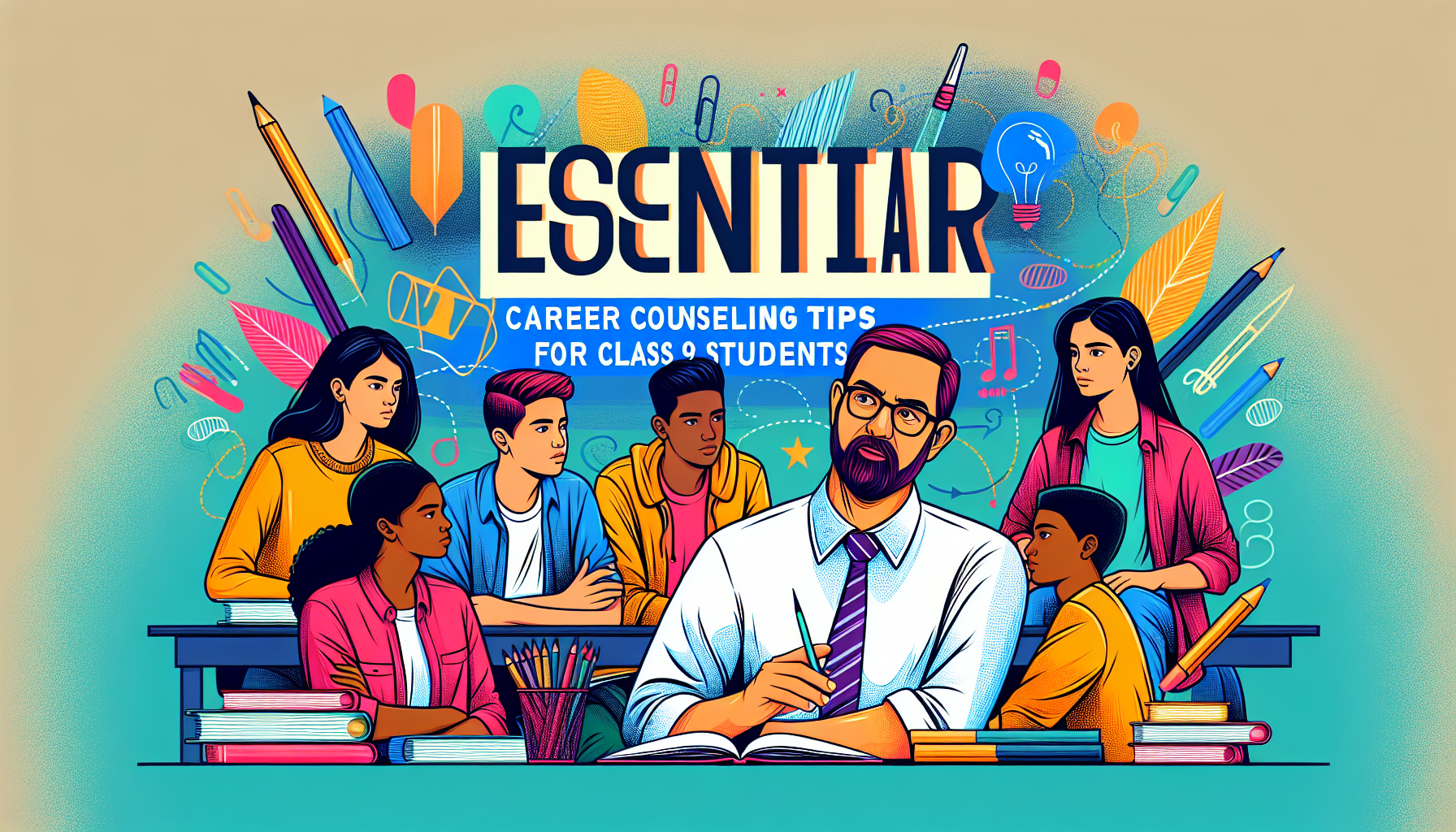
Are you in Class 9 and feeling overwhelmed about what lies ahead? You’re definitely not alone! The choices you make right now can shape your educational and career journey. That’s where career counselling comes in. It can help you discover your interests, strengths, and various career options. In this article, we’ll explore some essential career counselling tips for Class 9 students that can guide you in making smart decisions and building a strong foundation for your future.
Why Career Counselling is Important in Grade 9
Career counselling is a vital step in helping you uncover your unique skills and dreams. It allows you to explore different career paths and gain clarity on what truly interests you. With the right guidance, you can make informed choices that align with your future goals.
1. Assess Yourself: Get to Know Your Strengths and Interests
Self-Assessment Tools: Start by taking some self-assessment tests. These can help you figure out your interests, skills, and personality traits. For example, if you love science and enjoy solving puzzles, careers in engineering or medicine might suit you.
Key Questions to Ask Yourself:
- What subjects do I enjoy the most?
- What activities make me feel excited or fulfilled?
- What are my strengths? (Are you good at math? Do you love writing stories?)
2. Explore Career Options: Traditional vs. New Fields
Traditional Fields: Look into well-established careers such as medicine, engineering, and teaching. These paths have been around for a long time.
Emerging Fields: Don’t forget about newer careers like digital marketing, data science, and graphic design. For instance, if you enjoy art and technology, a career in graphic design could be a great fit.
Resources to Check Out: Websites like Naukri.com and LinkedIn can give you insights into job trends and help you explore various career options.
3. Conduct In-Depth Research
Career Details: Once you have a few career options in mind, dig deeper! Research what education you need, job prospects, and potential growth in those fields. For example, if you’re interested in becoming a teacher, find out what degrees you need and the job market in your area.
Information Sources: Use books, online courses, and even chat with professionals in those careers to get the inside scoop.
4. Seek Guidance from Mentors and Experts
Networking: Talk to your teachers, school counselors, and professionals in the fields you’re interested in. They can provide valuable advice and insights.
Role Models: Look for mentors who are already working in your desired field. They can guide you and share their experiences.
5. Balance Your Passion with Market Demand
Market Research: While it’s essential to follow your passions, consider careers that are in demand. For example, jobs in technology and healthcare are currently growing, so pursuing a career in these fields could offer both fulfillment and job security.
6. Prepare for 11th Grade Stream Selection
Stream Options: As you approach Class 11, familiarize yourself with different streams—science, commerce, and humanities. Think about what aligns best with your interests and strengths.
Decision Factors: Choose a stream based on what you enjoy and where you see your future. For instance, if you love numbers and science, consider the science stream.
7. Develop Essential Skills
Key Skills: Focus on building essential skills like communication, problem-solving, and critical thinking.
Skill Development: Join clubs, participate in public speaking events, or engage in extracurricular activities to enhance these skills. For example, joining a debate club can improve your communication and critical thinking abilities.
8. Gain Practical Experience through Internships and Workshops
Hands-On Learning: Look for internships, workshops, or career talks. These experiences give you a taste of what different jobs are like. For instance, if you’re curious about a career in fashion, try interning at a clothing store.
Value of Experience: Real-world exposure helps you understand job environments and clarify your interests.
9. Build a Strong Network of Support
Support System: Discuss your career thoughts with your parents, teachers, and trusted adults. They can provide encouragement and advice.
Networking Opportunities: Attend seminars and workshops where you can meet peers and professionals with similar interests.
10. Embrace Challenges and Learn from Mistakes
Growth Mindset: Remember that it’s okay to face challenges. View mistakes as opportunities to learn and grow.
Resilience: Build resilience by adapting to new situations and learning from feedback. For example, if you don’t do well on a test, reflect on what you can do differently next time.
11. Focus on Lifelong Learning and Adaptability
Continuous Learning: The job market keeps changing, so it’s important to commit to lifelong learning. Stay updated with new skills and trends.
Online Resources: Platforms like Coursera, Udemy, or edX offer online courses to help you enhance your skills.
12. Choose the Best Educational Pathway
Educational Options: Look into different schools, educational boards, and institutions that align with your career goals.
Accreditation: Ensure the institutions you consider are recognized and accredited.
13. Set Short-term and Long-term Goals
Goal-Setting: Create specific, measurable, achievable, relevant, and time-bound (SMART) goals to track your progress.
Break It Down: Divide larger goals into smaller, manageable steps. For instance, if your goal is to become a doctor, your first step could be to excel in science subjects.
14. Prioritize Well-being and Mental Health
Balance: Maintain a healthy balance between schoolwork and leisure activities. Don’t forget to take care of yourself!
Dheya Career Guidance Program for Class 9 Students
Consider enrolling in the Dheya Career Guidance Program, specifically tailored for Class 9 students. Dheya uses advanced psychometric assessments to analyze your skills, personality traits, and interests, providing personalized insights into potential career paths.
Benefits of Dheya’s Psychometric and Personalized Mentorship:
- Comprehensive Insights: Dheya’s assessments offer valuable insights into your strengths and areas for improvement.
- One-on-One Mentoring: Experienced mentors provide personalized guidance, helping you navigate career options and plan your educational journey effectively.
Conclusion
Class 9 is a critical time for career planning. With the right support and self-exploration, you can discover your path to success. Stay curious, keep an open mind, and take actionable steps toward building your future. Embrace challenges, remain resilient, and believe in your potential to excel.
FAQs About Career Counselling for Class 9 Students
When should I start thinking about my career?
It’s a good idea to start considering your career options in Class 9. Early exploration helps you make informed decisions.
How can career counselling help me?
Career counselling helps identify your interests and strengths, guiding you toward paths that align with your goals.
What are some effective career options after Class 9?
You can explore traditional paths like science and commerce, as well as emerging fields like technology and design. Research different careers to find the best fit for you.
Can internships benefit Class 9 students?
Yes! Internships provide hands-on experience, helping you understand various job roles and environments.
How do I balance my passion with job stability?
Research the market demand for various careers while considering your passions. Look for industries that interest you and have a good job outlook.
Is it normal to change my career path later in life?
Absolutely! Many people change careers. Lifelong learning and adaptability are key to navigating such transitions.
What should I focus on while selecting a stream in Class 11?
Consider your interests, strengths, and long-term career goals when choosing a stream.
How can I develop essential skills for my future career?
Join clubs, take on leadership roles, and participate in extracurricular activities to enhance your communication, problem-solving, and critical thinking skills.
Why is mental health important during career planning?
Prioritizing mental health ensures you maintain a balance between work and personal life, enabling you to pursue your goals effectively.
What resources can I use for further career exploration?
Use online resources, books, career websites, and guidance from mentors to explore potential career paths.
With these career counselling tips for Class 9 students, you can confidently navigate your path toward a successful future!